Starsand Island review
Gorgeous Life Sim Searching for a Soul

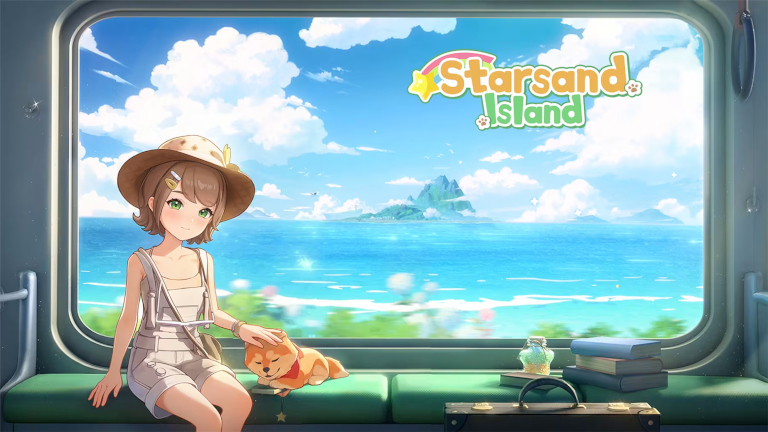
There is no shortage of games offering an escape from the doldrums of everyday life. Starsand Island know that this kind of fantasy works best if your digital getaway is inviting. And certainty, Zhuhai-based developer Seed Sparkle Lab makes a strong first impression. Starsand’s seaside towns, rolling fields and attractive characters help make this one of better looking entries in the life-sim genre. Meanwhile, tasks like farming, fishing, animal raising, crafting and an ambitious house-building system provide plenty of reasons to settle in.
But the problem is that the island has more personality than the people living on it.
Rural Life Offers Retinal Relaxation
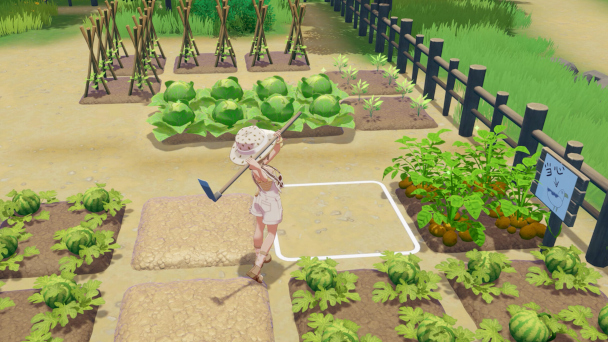
Undoubtedly, Starsand Island’s visuals are one of it’s greatest strengths. Seed Sparkle’s ambitions of creating a place that looks like an interactive anime, complete with bright coastal roads, plenty of greenery, clear blue water, and inviting building favors warmth and cleanliness. Seasonal changes make things even more appealing. The game’s island isn’t trapped in some kind of bizarre perpetual summer. Instead, there’s a four-season cycle that changes the color and atmosphere of the landscape, helping offset visual fatigue.
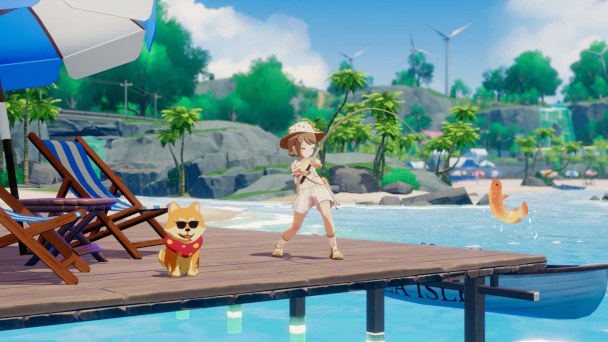
Animals add additional of charm. Cats, dogs, capybaras and other creatures roam the island. Pleasingly, some can eventually become companions, if enough affection has been built up. Here, ranch animals are a bit more interesting than the livestock found in many traditional farming games. Certain animals can help with duties around your property, dealing with weeds or insects. Meanwhile, breeding allows desirable traits to be passed down. Yes, familiar cozy-game mechanics are rarely reinvented, but many are given just a bit of extra complexity.
Building on Established Sim-Life Foundations
Starsand’s farming will be familiar to anyone who has played Stardew Valley, Story of Seasons or any of the countless derivative life-sims. Fields are prepped, seeds are planted, and crops are harvested for profit or addition processing. One noticeable difference is that crops grow on continuous timers rather than simply advancing whenever you go to sleep for the night.
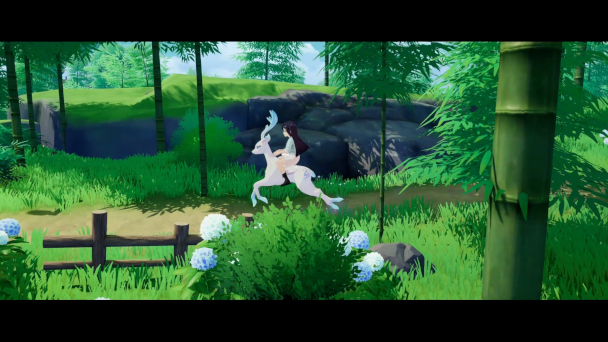
Thankfully, fishing involves more than a single button press, while exploration eventually leads into intriguing new areas like the Moonlit Forest. Here, gathering is combined with mining, combat, and access to more valuable resources. Progression is spread across five different professions: farming, ranching, crafting, fishing and exploration. Each has its own development curve, giving players several simultaneous goals rather than rigidly opening nodes on a single skill tree.
The Gratification of Faux Productivity
The result is a rather satisfying gameplay loop. A morning might start off with tending to your crops, continue with feeding livestock and collecting produce, before shift into gathering resources, and turning converting those materials into components at crafting stations. Best of all, nearly every activity feeds into another system, so there are always multiple things begging for your attention.
Crafting plays a larger role that many of Starsand’s peers. Expectedly, raw resources are fed into processing stations to create more complicated materials, which unlock construction projects, objectives, and upgrades. If you’re not a fan of gathering then you’ll probably find this structure tedious, but the requirement does prod you into exploration as you seek specific materials.
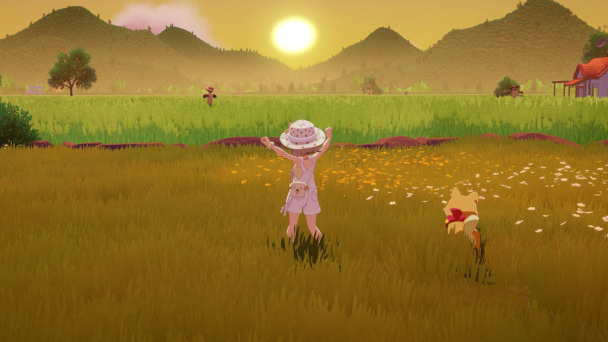
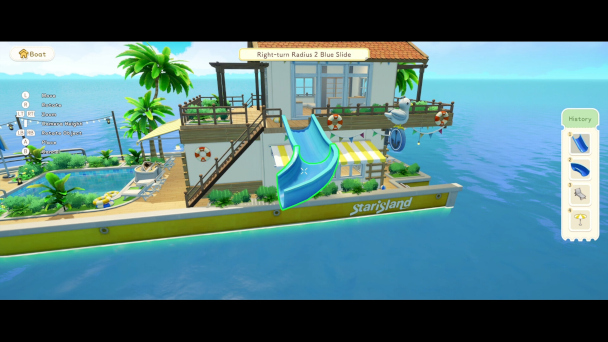
Building is another aspect where the game is more ambitious that the average farming sim. Instead of restricting players to place furnishings around a predefined house, you can build your own custom home from floors, walls, and other architectural pieces. Snapping can be helpful for aligning things, but it can also be turned off when your designs need overlapping elements. As such, I gave my home a proper veranda/lanai, but if you’re not as driven, Starsand lets you use prepared layouts.
Creating Your Dream Home Can Get Fiddly
The downside of Starsand’s flexibility is sporadic awkwardness. Submenus can complicate basic tasks like placement, positioning can be temperamental, and some building tools are as intuitive as you might hope. Tasks like painting, alignments and some architectural ambitious will require patience. Ideally, the game would let you toggle between quick and easy placement and a system that provides more autonomy. Then there’s the issue of performance, with the occasional scourge of pop-in, animation hitches, and loading delays ebbing away at enjoyment. Given how stunning the world can look, these rough edges can mar Starsand’s sense of escapism.

But the bigger issue isn’t technical, it’s rooted in the game’s narrative. Things begin with a familiar premise: the protagonist leaves an exhausting urban life to reside on an island connected to their past. It’s how almost every life-sim starts, but some take that premise and do something with it. But here, the motivation is rooted in the cycle of progression rather than the relationships you’ll develop.
It’s a Sandbox not a Romance Sim
NPCs are built from familiar tropes and rarely have anything interesting to say, while relationships are transactional. Like too many of these efforts, romance means crafting a succession of appropriate gifts rather than any kind of pseudo-social connection. While Seed Sparkle refined farming, they didn’t touch the dating model.
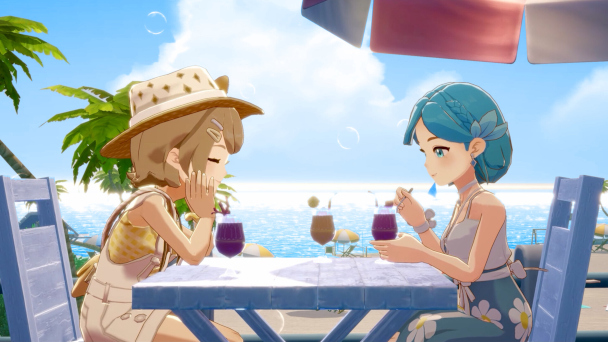
Titles like Stardew Valley and some of the better Story of Seasons entries make romance satisfying because affection frequently reveals more about a character. Their romantic progression feels like discovery. Starsand Island too often makes it feel like accumulation. And that’s a shame, since some of the character designs did pull me in at first.
DLC and Multiplayer Issues
The game’s approach to monetization also deserves scrutiny, especially since review code didn’t have the same access to DLC that Steam purchasers will see. While I can’t prove the publisher’s intent (much like the suspicious wave of positive reviews), I do think its fair to criticize the presence of a $19.99 Classic European Furniture, Fashion & Vehicles pack at launch. When building, decorating and fashion are major parts of your game’s appeal, offering DLC centered specifically on those core features feels a bit scummy. In all fairness, there are some free offerings, but since those don’t work with my review build, I can’t speak on their quality.
Unfortunately, Starsand’s multiplayer doesn’t immediately solve the game’s social shortcomings, either. First, you’ll need to make enough progress through the opening Island Life objectives before the component becomes available, meaning anyone buying Starsand Island specifically to play with a partner should expect to spend some time alone first. Once unlocked, up to four players can farm, fish, gather, explore and build together, with the host deciding what visitors are permitted to alter.
Cooperative activities award a separate multiplayer currency that can be exchanged for items. But this isn’t a Stardew Valley-style shared campaign. Progress belongs primarily to the host so story and quest advancement aren’t shared between partners. So a visiting player is closer to a helper than an another resident building alongside you. This makes multiplayer useful dividing chores or showing off what you’ve built, but less appealing for couples hoping to progress through the game together.
Island Life Can Become Lonely
Ultimately, Starsand Island is easiest to recommend when treated as a sandbox rather than a virtual community. Yes, there’s a gratifying amount to plant, gather, process, construct and improve, with overlapping missions and progression systems providing plenty of objectives to chase.
Yet all that faux productivity helps to emphasize what’s missing. The island itself is gorgeous, building offers quite a bit of freedom, and its interconnected systems can devour hours. But technical irritations, questionable monetization, limited co-op progression and shallow relationships keep the experience from developing the personality its presentation promises.
Starsand Island was played on PC with review code providing by the publisher.
Overview
GAMEPLAY - 70%
CONTROLS - 65%
CONTENT - 75%
AESTHETICS - 80%
PERFORMANCE - 60%
VALUE - 65%
69%
OK
Starsand Island is a gorgeous, feature-packed life sim where farming, crafting, exploration and flexible home-building make it dangerously easy to lose an afternoon. But shallow relationships, awkward multiplayer progression, technical rough edges, and questionable DLC keep this beautiful getaway from becoming a destination you’ll truly fall in love with.




Why didnt the devs just send a regular key? Or was this seperate from Steam?
Reviews should be the same build as what everyone else has access to.
Looked up the Metacritic score. Some site gave the preview build a perfect score. Why are sites reviewing previews and builds now?