Hands-on with Echoes of Mystralia
A Spellcasting Sandbox that Summons Familiarity


On August 11, Borealys Games launched Echoes of Mystralia into Steam’s Early Access program. After spending several hours with the current build, comparisons with Hades seem inevitable. With its isometric perspective, room-based encounters, branching reward choices, hub conversations, and persistent progression, there are plenty of similarities with Supergiant’s acclaimed roguelike series.
But the interesting thing isn’t simply how much Mystralia resembles Hades. It’s how Borealys attempts to give those familiar action-roguelike foundations some additional flexibility with its spellcasting system.
Build Your Own Magic
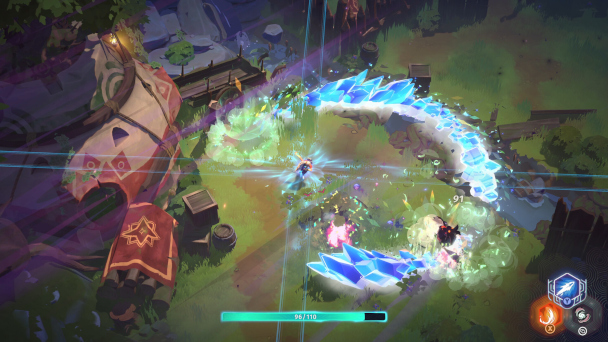
You play as Mazarim, a Watcher charged with protecting the Cycle of Memories. A rift has opened inside of it it and is consuming the world’s memories. As such, you’re tasked with venturing through Mystralia, confronting the Shadows, and helping people who are caught reliving the horrors of their past. Uniting these elements are the familiar framework of frantic battles, branching rooms, shops, upgrades, and naturally, clashes with hulking Guardians.
The Early Access version currently contains three regions, seven magical elements, 16 starting spells, more than 100 Memories, over 40 Relics, and more than 50 Altar upgrades. Borealys is planning additional spells, relics, puzzles, boss fights, narrative material, and an entirely new region for version 1.0. Even in its present state, though, it’s evident that Echoes is less about simply choosing upgrades than assembling a spellcasting powerhouse.
Slot, Lock, and Kill
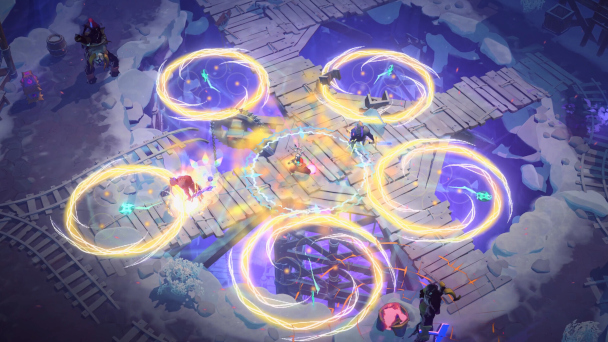
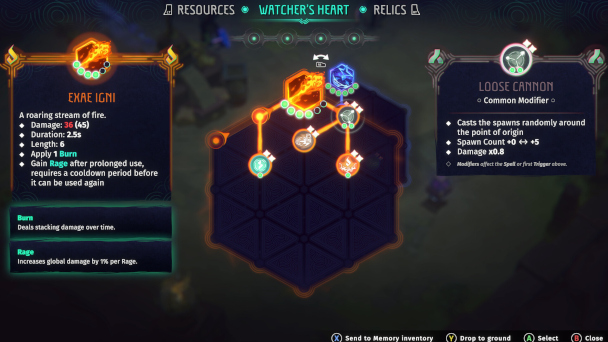
Mazarim takes two spells into a run, but Memories can dramatically change how those offensive tools work. Projectiles can multiply or alter their trajectories, elemental effects can linger and stack, while triggers can attach entirely new attacks to an existing spell. These components aren’t merely selected from a basic menu, either: Borealys’ freeform spellcrafting system makes their arrangement part of the equation, with positioning between Memories helping to determine the final result.
As such, much of the enjoyment comes from experimentation. You’ll test how individual modifiers behave, discover exactly how they interact, and gradually transform a starting ability into something much more complicated. A simple attack might eventually spray additional projectiles, leave an elemental trail, inflict stacking conditions, or activate secondary effects. When several of those systems begin feeding into one another, Echoes can produce the gratifying sensation that you’ve constructed something mildly ridiculous. And that’s something that only a select few action roguelikes deliver.
Crafting the Killer Build
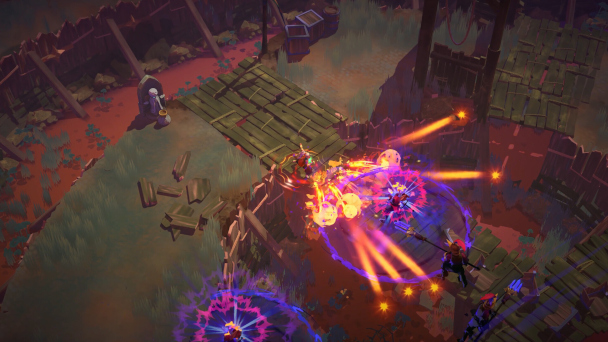
That freedom is also where the comparison with Hades becomes less useful. Supergiant’s boon systems tend to modify an established weapon or ability; Echoes of Mystralia gives you the ability to cultivate the behavior of the spells themselves. Starting with a base form, you can attach elemental properties, triggers, and modifiers until the original attack can almost become unrecognizable. Hopefully, Borealys continues to move away from the traditional upgrade treadmill to deliver a system that lets you go absolutely wild.
Of course, the downside is giving players too many interacting pieces. The RNG can leave you with modifiers that don’t complement your existing setup, and some Memories can make your spells less practical. Several times, some clunky build made a run feel compromised instead of thinking creatively. Sure, its a fine line, but too often, Mystralia felt like it trapped me.
Fighting Trauma with Lightning
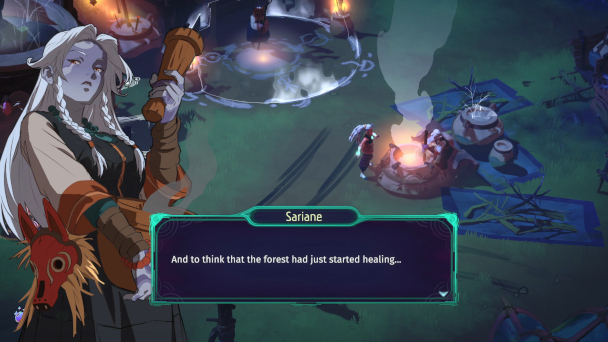
Undoubtedly, the game’s setting is used to help build a distinctive identity. Instead of the Greek underworld and its bickering pantheon, Mystralia is rooted in memory, trauma, and spiritual decay. Its inhabitants can become trapped in painful episodes from their past, while the Shadows Mazarim confronts function as manifestations of those experiences. Undoubtedly, there’s something compelling about defeating a shadow form and later meeting the people connected to them back at the main hub.
Right now, much of that storytelling feel like some intriguing groundwork rather than any kind of fully realized narrative. That’s perhaps unsurprising given that Borealys states that the final narrative act, additional storylines, and new dialogue options are some of the elements that are still being worked on. It could go either way, but I’m hopefully that the plotline matches the quality of play.
The Lotus Eaters
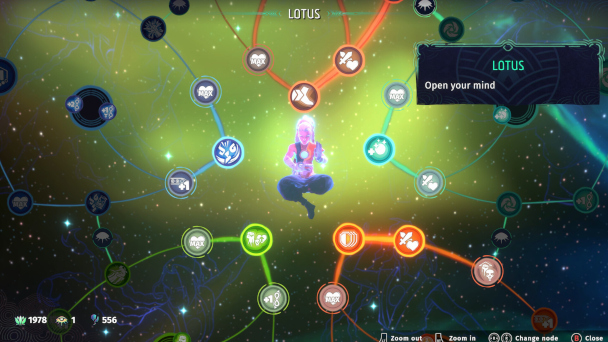
As well realized as some of the game’s foundations are, other components clearly need a bit more attention. The Lotus is you’ll earn permanent progression between runs, with upgrades intended to boost Mazarim’s magical abilities. But in practice, some early improvements feel too meager for their cost. Sure, fractional healing and incremental stat upgrades can soften the sting of a failed attempt. But the benefits aren’t always perceptible enough to make purchases feel rewarding.
Boss encounters are an even larger concern. The Guardian fights I encountered have the necessary foundations: recognizable attack patterns, escalating phases, hazards, and attacks designed to punish careless dashing. But too often their health pools turn pattern recognition into droning repetition. Once you’ve understood what an opponent is asking you to do, performing the same response for several more minutes isn’t necessarily increasing the challenge.
Will It Cast a Spell Over You? Maybe!
Thankfully, Early Access is where problems such as these can be addressed. Borealys says community feedback will be used not only to add content but to refine gameplay, patch bugs, and add some quality-of-life improvements. The studio is aiming to reach the full version within a year rather than commit to a lengthy open-ended development period. I’d argue that Echoes of Mystralia doesn’t need more things piled onto it. Instead, it needs the components that currently work to really shine.