IndieGo #43 – Mycopunk & Night Blood W: Cutthroat Wolf
I Like to Move It, Move it

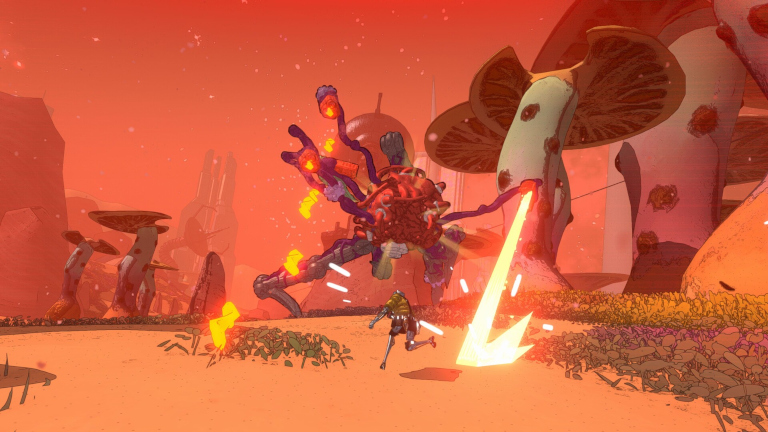
Although Mycopunk and Night Blood W: Cutthroat Wolf approach action from different perspectives, both titles understand how satisfying movement can truly elevate a firefight. Mycopunk sends its robotic exterminators hurtling through fungal infestations, combining cooperative shooting with jetpacks, grappling tools, and plenty of customizable equipment. Meanwhile, Night Blood W takes that enthusiasm for mobility into a neon-lit underworld, where a grappling hook helps you close distances and chain together brutal attacks. Both encourage experimentation, giving you opportunities to shape builds around your preferred fighting style. Whether you’re clearing infected machinery with your friends or carving a solitary path through a cyberpunk city, these indies make getting around nearly as fun as taking enemies down.
Mycopunk, Pigeons at Play
Mycopunk turns pest control into one of the best looter shooter experiences of the year. Developed by Pigeons at Play, this cooperative FPS tasks you with eliminating a fungal infestation for the SAXON corporation. Naturally, workplace safety isn’t a primary concern as you tackle missions in hostile environments, eradicate infected machinery, and escort valuable cargo. Luckily, a talking cockroach named Roachard provides guidance and personality. What’s best is the scruffy feel of Mycopunk. There are other eccentric NPCs besides Roachard, and the game’s grainy look and enemies that resembles walking machinery zombies reinforces the feeling that you’ve accepted a job everyone else passed on.
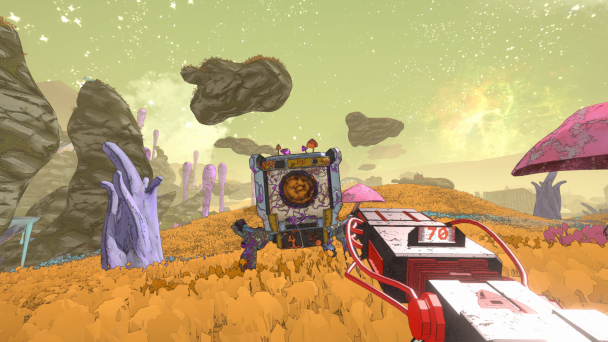
The game’s movement system is particularly deserving of praise. Running, jumping, and sliding provide a fluid foundation for combat. The different playable characters each bring their own style, as well. Scrapper combines a jetpack with a deployable grapple pole that teammates can also use, Wrangler propels himself with a rocket-powered lasso, and Glider takes to the skies with a wingsuit. These tools can make the battlefield feel like a playground. You’ll frequently shift from finding advantageous firing positions to high-tailing it out of there when a horde of foes closes in on you. Best of all, there’s no stamina meter to interrupt the tempo, helping Mycopunk whip up a nice sense of momentum.
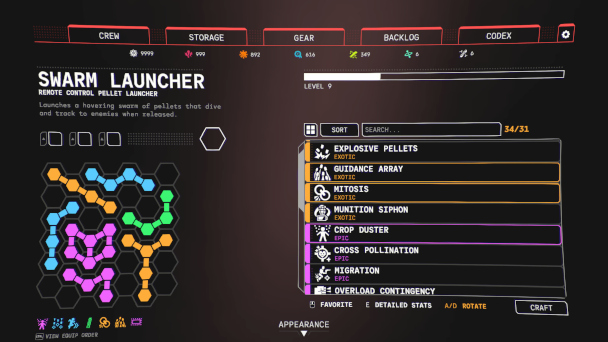
Builds provide flexibility for each character. Character and weapon upgrades come in different shapes that must fit onto hexagonal grids, making customization a puzzle about fitting complementary effects into limited space. Pleasingly, selecting a bonus is only the beginning; arranging your collection efficiently determines how many advantages you can squeeze into it. Ricocheting projectiles and elemental effects offer opportunities to tweak weapons around particular strengths, while freely selecting weapons across characters encourages experimentation. Mycopunk wants you to mix things up. In fact, damaging enemies with one gun replenishes ammunition for the other. As such, preparing a loadout that matches your play style is nearly as important as your reflexes.
Added during early access, Ouroboros is a roguelite dungeon mode that changes how you approach customization. Entering temporarily strips away your equipped upgrades, requiring you to assemble a fresh build as you clear successive rooms. Almost every upgrade can stack here, allowing combinations that feel wonderfully OP. Additionally, exclusive Contraband upgrades push these possibilities even further. You can also encounter upgrades you haven’t permanently discovered, and selected upgrades can be cleansed at the end of a run to keep them permanently. Largely, it’s a natural extension of the grid system: the regular missions reward cultivating a dependable loadout, while Ouroboros challenges you to make the best of what each run provides.
Mycopunk’s attraction remains easy to understand: there’s responsive movement, unusual weapons, and plenty of freedom to experiment. The possibility of a kickass build helps bring you back, while the pleasure of actually fighting peculiar fungal enemies makes every deployment feel worthwhile.
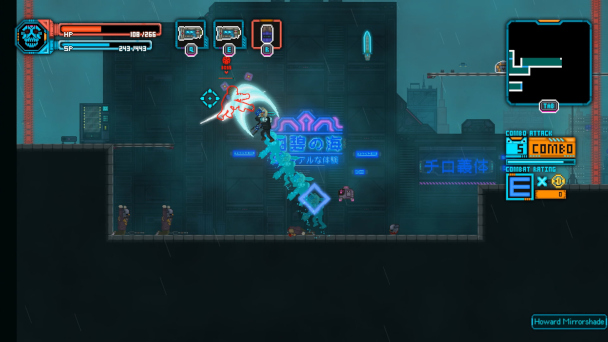
Night Blood W: Cutthroat Wolf, HARRISONWORLD
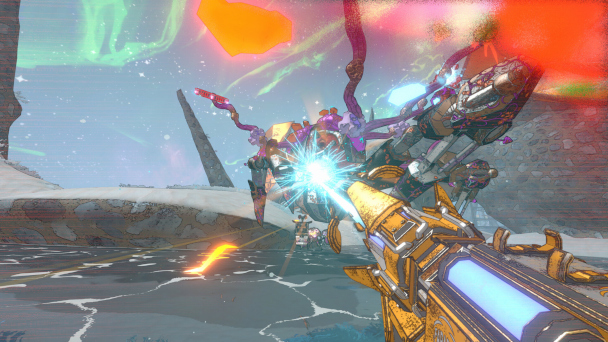
Apparently, cyberpunk cities have two essential requirements: enough power to illuminate a massive amount of neon and plenty of antagonists to stab and shoot. Nightblood W: Cutthroat offers both, delivering a metroidvania with plenty of styling action and a protagonist who’s as handy with a grappling hook as he is with a firearm. And sure, there are plenty of 2D action titles with swordplay, aerial attacks. But Nightblood finds distinction in the sheer speed of fighting as well as the momentum of relentless aggression.
You play as Loreto, the game’s eponymous Cutthroat Wolf, who’s seeking vengeance in a city filled by different criminal factions. An opening cinematic tells of a relationship with Estelle, a sheltered young woman. Fragmented memories reveal her murder, which has continued to haunt Loreto, and provide motivation for his pursuit. Unfortunately, the opening’s substantial dialogue competes with the urge to begin the bloodshed. Loreto’s banter with his robotic companion, Vivi, offers some personality, but largely the play outshines the plot.
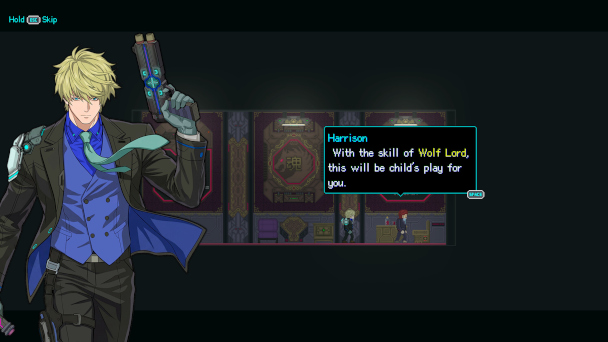
Thankfully, Loreto’s grappling chain provides a compelling reason to push through those conversations. It lets you close the distance with enemies, fling yourself to overhead platforms, and escape intense crossfires. Add in the ability to and Night Blood W cultivates a hectic rhythm, as you dart between enemies and use the ground for brief pauses between aerial assaults.
The combat system encourages you to use everything in Loreto’s arsenal. Melee attacks replenish the SP used for firearms and special abilities, creating some incentive for up-close kills before spending that energy on more potent punishment. Launchers and aerial follow-ups augment your offensive opportunities, with a combo counter and letter grading encouraging some stylish executions. Boss encounters increase the pressure by punishing careless movement and responses to incoming attacks. Largely, an accessible control scheme makes the basics manageable but you’ll need to practice to deliver more advanced assaults.
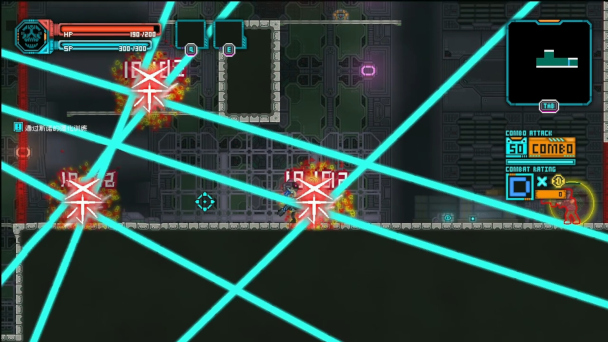
Loreto can equip two active and two passive items, allowing you to adjust his capabilities on the fly. Collectible implants complement the action, while skill progression can expend your options. But oddly, Cutthroat Wolf’s tech-tree mixes story-based unlocks with elective ones. Meanwhile, the metroidvania-style structure provides some much-needed pauses between chaotic fights as well as some incentive to explore the labyrinthine environment. And while the action controls well on Steam Deck with no sacrifices in fluidity, some of the game’s text and button glyphs can be hard to read. If you like 2D action-adventure games that favor the former genre, you might want to sink your hooks into Night Blood W.