Village in the Shade review
Embracing Bad Omens

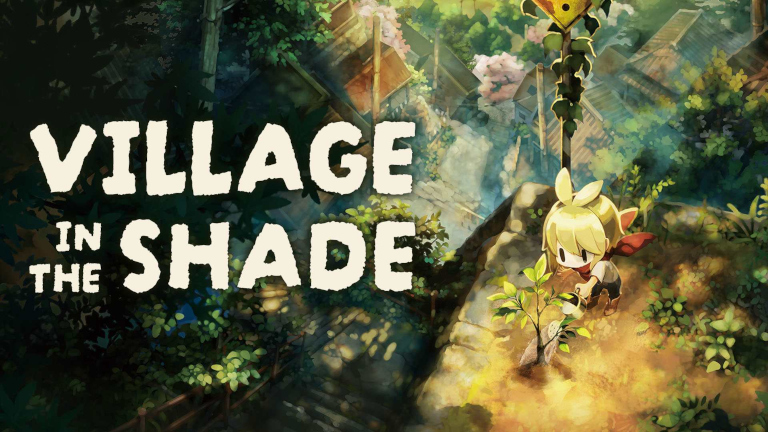
Nippon Ichi Software has a curious talent for making adorable characters seem vulnerable. Yomawari sent small children through streets cloaked in darkness. Both The Liar Princess and the Blind Prince and Void Terrarium found tenderness in stories where danger and isolation were some of the dominant themes.
Village in the Shade injects that approach into a farming situation, which might seem like a curious fusion of concepts. But here, Yomawari’s Yu Mizokami and development lead Mio Katsumata make the pair work exceedingly well. With Shade, the team reminds us that growing attached to a place gives you something to fear losing. And here, every productive afternoon and friendly conversation deepens your investment in a community whose welcoming attitude is tainted by the suspicion that something just ain’t right.
Turnips With Some Strings Attached
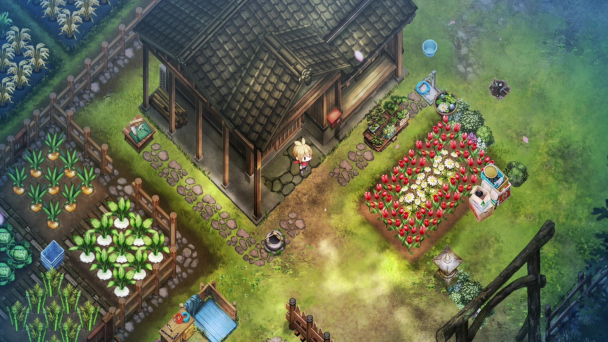
Your customizable young protagonist reaches Kagatsu following an opening that depicts what seems to be a fatal fall. Your memory offers little help, and given your resemblance to a child who disappeared ten years earlier, the locals aren’t going to fill in the details for you. A hunter named Komako helps bring you into the village. The leader, Rin, provides a farmhouse and some land, then saddles you with a massive debt for lodging, tools, and supplies. Yes, my jumpscares revolve around bills.
Acceptance requires work and obedience, with residents initially refusing to speak with you due to a rule about contact with strangers. Only after you sacrifice your first harvest of turnips to the village’s god are you accepted and allowed to converse with the locals. Yet, Kagatsu is remarkably quick to rely on the efforts of an unexpected newcomer. That arrangement gives Village in the Shade an immediate edge over its basic agrarian sim peers. Maybe, I’m just jealous of protagonists who inherit homesteads.
Everybody Knows Something, Except You
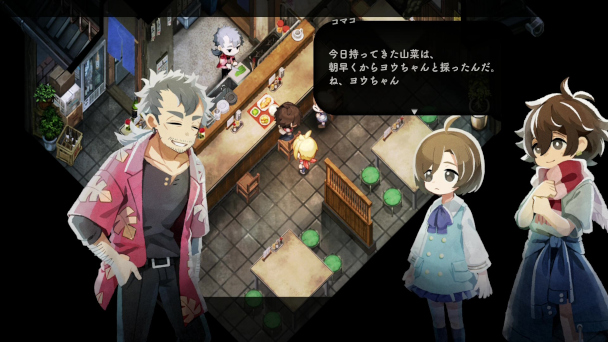
Expectedly, the village has its secrets, including subjects that its inhabitants avoid discussing. Discovering each one becomes a small revelation that changes how you view the folks that you’ve already spent time helping. An evasive answer might suggest embarrassment, complicity, or even an attempt to protect someone, and the uncertainty channels a feeling that few games deliver anymore. Village in the Shade rarely lets you forget that you’re an outsider, even if you’re growing more familiar with folks. The story unfolds in episodes built around Kagatsu’s eight rules, with each chapter drawing a different group of villagers into the mystery.
Rin’s attitude shifts as responsibilities emerge, while other residents harbor frustrations beneath their public roles. Intriguingly, affection and suspicion develop together. But, there’s no romance system here. Instead, building friendships means becoming more invested in people whose explanations might be incomplete, giving every new confidence an unsettling side. Sure, the NPCs might not boast rich character arcs. But they do avoid being the gift-craving simpletons of other farming titles.
Please Wait for Another Tutorial
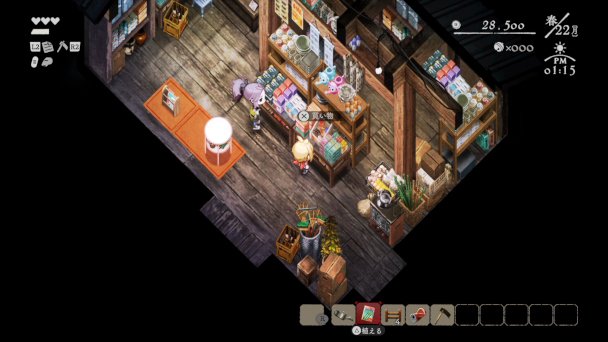
That said, the writing occasionally overexplains some parts of rural life. Early conversations repeatedly interrupt your early attempts at farming, and additional tutorials arrive long after the initial introduction. Characters can spend too much time acting like instruction manuals rather than having their personalities drive the plot. Story events can interrupt your plans, so you’ll sporadically have to put your curiosity on hold. Meanwhile, the frequency with which older villagers depend on a child to investigate dangerous situations can feel a bit implausible. Sure, the smolder of the game’s unfolding mystery earns your patience, but a tighter introduction and some more flexibility with pacing would have been welcome. Saving is restricted to sleeping, which also advances time, so stopping midway through a busy day is less convenient than it should be.
Fortunately, your farm provides plenty of satisfaction between the revelation drops. Like most genre entries, you’ll clear rocks and weeds, till the soil, plant seeds, and maintain your crops before selling your harvest or saving ingredients. Livestock, cooking, crafting, fishing, and hunting with traps expand on the fundamentals, while an abandoned quarry provides some materials for improving your equipment. Anyone acquainted with Story of Seasons or Stardew Valley will recognize the pleasure of turning a cluttered patch of ground into a steady income. Expectedly, stamina and passing days make you prioritize, making the choice between fieldwork and excavating ore a remarkable decision.
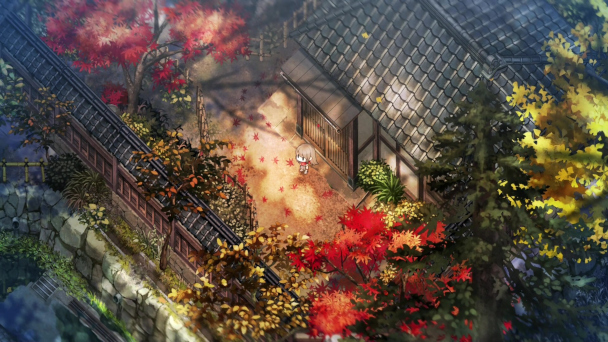
The angled perspective can make lining up your tools with rocks, stumps, and individual plots fiddly, so strafing becomes a useful way to keep your aim steady. Some thoughtful conveniences ease the workload: villagers’ gift preferences are visible from the outset, shopping lists help you track planned purchases, and the general store remains usable when its owner steps away. Largely, the good outweighs the bad.
Working the Graveyard Shift
Village in the Shade’s agricultural elements become even more interesting when supernatural elements add some distinction. Nighttime exploration can yield Magatama to offer at the village shrine for new features and crafting blueprints, while neutral spirits exchange blessings, special items, or stamina upgrades for crops and other types of offerings. Suddenly, the produce in your bag has more use than just filling the shipping box.
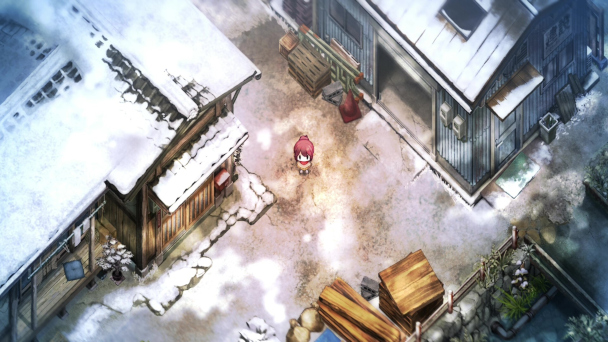
Additionally, encounters require careful observation: some beings pursue you, some can be helped, and others require you to work out specific responses. Carrying a flashlight into Kagatsu’s darkness recalls Yomawari’s vulnerability, as surviving hostile encounters usually means evading pursuit or finding an indirect solution rather than fighting anything head-on. Progress on the farm helps to support these nighttime excursions, and discoveries after dark give you new reasons to keep on farming. But let’s talk about curfews….
Knock, Knock. Who Dares?
One of the game’s most effective elements is the instruction to stay indoors after 11 pm. The guideline can feel like a parent’s warning or an old folktale, And an absence of any explanation makes disobedience seem especially dangerous. An accompanying warning against answering voices from the mountains encourages you to imagine what could be making the noise. Then something knocks at your door during the night, and the house that once seemed protective feels a bit too fragile. Farming games have taught us that late hours are filled with exhaustion and unfinished chores. Kagatsu adds apprehension to that list, giving the genre a nice little twist.
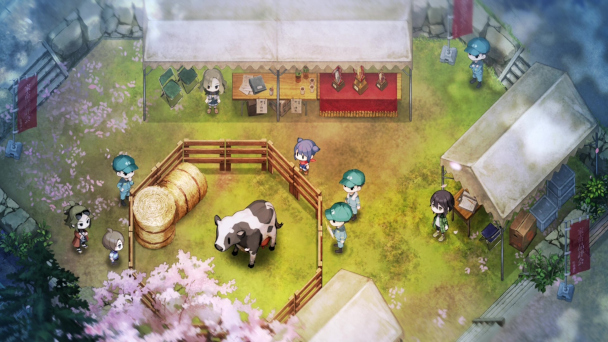
These sentiments are also suitable for describing Shade’s gorgeous presentation. Here, small, expressive characters dot richly textured landscapes, while warm afternoon lighting makes the fields and village paths inviting. Darkness gives those same locations a different vibe, especially when a rather grotesque interloper occupies a route that felt harmless earlier. The soundtrack reinforces that shift with cheerful daytime themes that change with the seasons and unsettling music for supernatural encounters. Taiko drums, flutes, and shamisen complement the rural Japanese setting quite well and are most interesting than a single piano.
Putting Down Uneasy Roots
Both tending the farm and investigating Kagatsu deepen your connection. Here, inhabitants offer just enough friendliness to make their evasions hurt while the routine of agricultural duties makes the game’s supernatural visits feel powerful. Chosen when starting a new game, “Village in the Sunshine” removes the horror elements for anyone who mainly want to tend crops. Just know that you can’t switch modes during that playthrough.
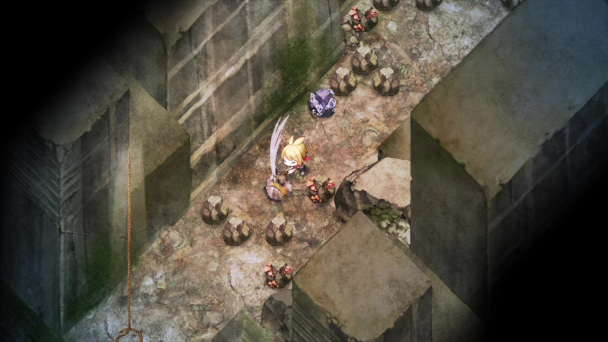
But its the uneasy relationship between comfort and obedience that makes the full experience worthwhile. Sure, some tutorial interruptions and occasional awkwardness deserve criticism, but the village remains difficult to stop thinking about. There is always another crop to plant, another neighbor to understand, and another reason to wonder whether tonight is worth opening the door.
Village in the Shade was played on PC with review code provided by the publisher.
Overview
GAMPLAY - 85%
CONTROLS - 65%
CONTENT - 80%
AESTHETICS - 90%
PERFORMANCE - 80%
VALUE - 85%
81%
GOOD
Village in the Shade turns tending to turnips and a distrust for your neighbors into a compelling combination. Beyond the satisfying farm work, there’s a interesting mystery that shrouds the village of Kagatsu. The tutorials can drag and the controls need some patience, but this is the kind of vacation worth booking, especially if you appreciate the Yomawari’s team previous works.





Are there any jumpscares? I want to play but not if the game is going to startle me.