SGF ’26: A Sharp Return for Capcom’s Samurai Classic
Onimusha: Way of the Sword looks promising

After two decades, Onimusha is finally back, and based on the Summer Game Fest demo, Capcom’s latest entry is poised to become one of the bigger action titles of 2026. Unlike many legacy franchises, Onimusha: Way of the Sword is a modern action game that hasn’t forgotten about its roots. So if you appreciate sword-based combat, nods to Japanese folklore, or just high-definition spectacle, this looks like one to watch.
The demo I played dropped me into Miyamoto Musashi’s journey through a demon-infested version of Kyoto, with one section set around the real-world Yasui Konpiragu Shrine. Like previous games in the series, Musashi wields his Oni Gauntlet, which absorbs the souls of defeated enemies and provides supernatural abilities. Souls linger on the battlefield after combat and have to be collected manually before other enemies reclaim them. These fund upgrades back at a small hub area, offering everything from damage boosts to a larger health pool.
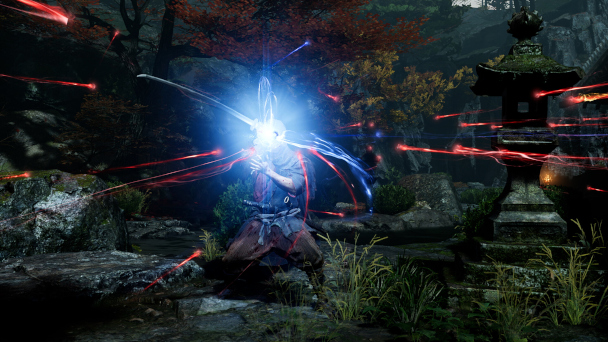
Elsewhere, a separate slice of the demo had Musashi teaming up with Okuni to clear Genma out of the stage where her Kabuki troupe performs, and wandering the town threw up “!” prompts where a citizen was being attacked. If you helped in time, you’d get a small reward, but if you ignores it and they die. It’s a modest system, but it does a good job of pulling you off the main path and into the world. I could see myself getting caught up in these undertakings, at least if the NPCs evoke a bit of empathy.
A Warrior’s Path, Paved with Genma Corpses
As the subtitle announces, combat is Way of the Sword‘s focal point. Although there are plenty of action games that emphasize speed and lengthy combo strings, Way of the Sword is more interested in tension and timing. Here, every sword strike carries weight. Parrying isn’t just a defensive mechanic but a tool for redirecting attacks and creating openings for some devastating finishers, and a well-timed one can reposition Musashi for a gory backstab. On the defensive side, being able to auto-block from any direction (as long as Musashi has enough stamina) keeps the game accessible without dumbing down the swordplay.
Of course, the series’ signature Issen philosophy lives on here too. Breaking an enemy’s stamina opens them up for a Break Issen, which is a brutal finisher that lets you choose where to strike, each spot triggering something different, whether that’s raw damage or health orbs. As expected for the series, each clash feel dangerous and ensures that victories don’t feel like you’re pressing the win button. Success involves being proficient and confident. But when things inevitably go south, a good swordsman has to adapt fast.
Steel Meets Steel, Then Something Supernatural
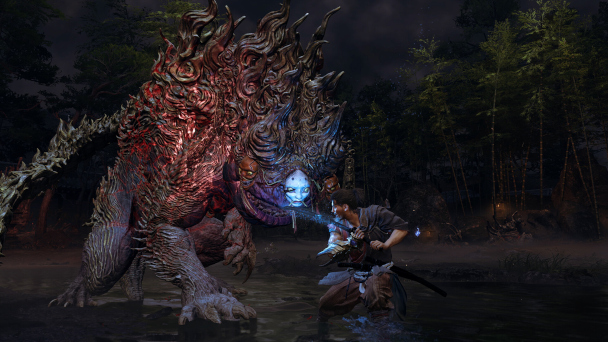
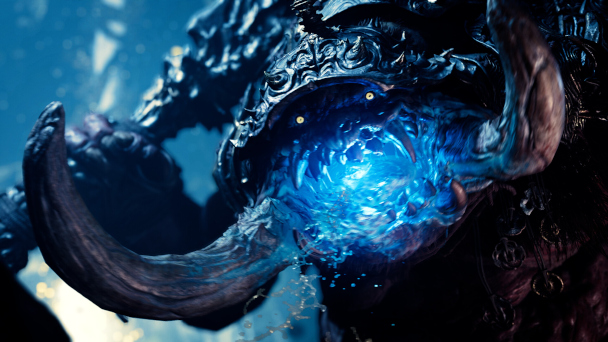
Boss encounters were a highlight, and I took on rival swordsman Sasaki Ganryu and the monstrous Byakue. Ganryu serves as a dark inversion of Musashi, wielding his own corrupted Oni Gauntlet, and their fight felt less like a traditional boss battle and more like a cinematic clash between two master swordsmen, right down to a helmet shattering mid-duel. Byakue, by contrast, is a hulking Genma wrapped in cursed paper talismans, and the deeper into the fight you go, the more of those seals tear away and the stronger it gets. What I really appreciated is that many of the lesser enemies brought bits of folklore and mythology to life. From yokai, giants, spirits, and other supernatural creatures, Way of the Sword’s trailers and demo have showcased some impressively rendered Genma.
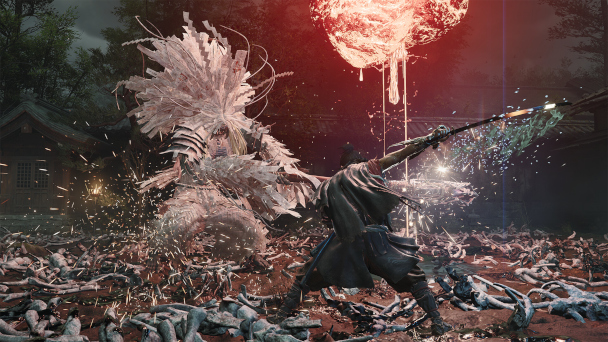
In fact, Way of the Sword might just be one of the most striking games Capcom has built with the RE Engine. Kyoto’s temples, forests, and ruined battlefields are all rendered with methodical detail, blending historical authenticity with supernatural style. This contrast between the gorgeous and the grotesque gives Way of the Sword a distinctive visual identity, and even though the setting isn’t open world, I found myself stopping just to take in environmental and enemy details.
Way of the Sword, Not Always a Way with Words
The story also shows promise. Musashi’s journey sends him chasing down corrupted manifestations that are twisting the land. In one preview area, a temple’s deity is being impersonated by a Genma that grants visitors’ wishes in twisted ways. Using his Oni Gauntlet, Musashi can sense past tragedies, slowly uncovering what’s actually plaguing Kyoto, and the relationship between him and his sentient gauntlet looks like it could be fun way to handle exposition. That said, there were a few quips that felt anachronistic and landed flat, so if you’re hoping for the unrelenting seriousness of a historical samurai epic, there’s a chance you’ll want to skip a cutscene or two.
I went into this demo expecting lukewarm nostalgia, but came out wanting to play more. Undoubtedly, the combat is the real draw. It has this push-pull dynamic that feels like it could upend you if you don’t play carefully. Whether the full game can stretch that tension across a complete campaign without it going stale is probably the big question. But from this brief tour of Kyoto’s temples and back alleys, Capcom’s clearly putting some effort into this one. Onimusha fans have waited a long time for another mainline entry, and Way of the Sword might be worth the wait when it launches on September 25, 2026.