SGF ’26: Forging a New Fighting Style in Stranger Than Heaven
A Bold New Direction for RGG Studio’s Era-Spanning Adventure

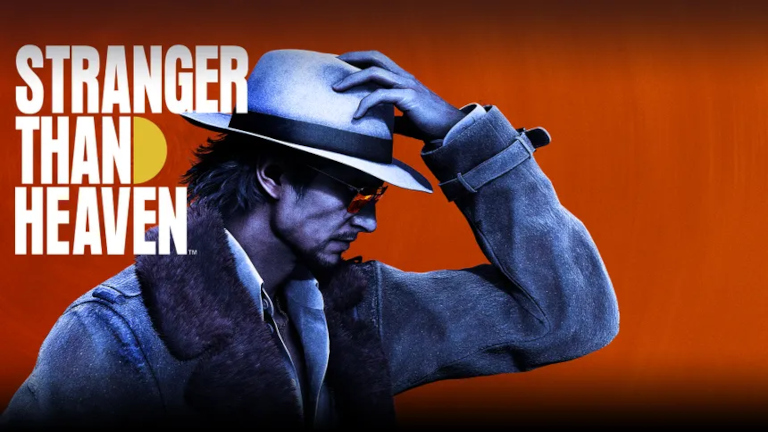
If you walk into Stranger Than Heaven expecting a slight variation on the brawling formula seen or the Yakuza/Like a Dragon series, you’re in for a rude awakening. Based on a hands-on demo centered around a trio of boss encounters, Ryu Ga Gotoku Studio radically reworked its fighting system, deliver a more deliberate, demanding, and yes, Dark Souls-esque system where you’ll have to master guards and dodges.
Some of SEGA’s Summer Game Fest team warned me just how different the flow of combat was. Most fights in Yakuza favored aggression, crowd control, and a bit of stylish improvisation as you picked up a bike to bash the head of an enemy. But Stranger Than Heaven places a much greater emphasis on defense, timing, and positioning. Dodging and parrying aren’t optional tools you occasionally inject into a string of combos. Now, they are absolutely essential for survival.
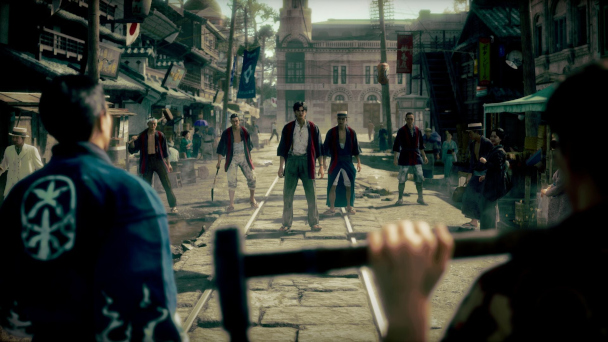
No Komaki Tiger Drop and No Mercy
Perhaps the most fascinating change to the fighting system is a shift in how controls work. The left and right sides of the controller’s triggers and shoulder buttons correspond to the left and right sides of the protagonist’s body. Naturally, comparisons to Tekken seem inevitable, but in execution Stranger feels
entirely different. Rather than recreating a traditional fighting game control scheme for rock-scissors-paper style showdown, the shift feels more tactile, requiring you to think body positioning and attack direction in ways that aren’t common in modern action games. In execution, combat isn’t far removes from the throwdowns in a modern boxing game, save for the use of kicks and weapons.
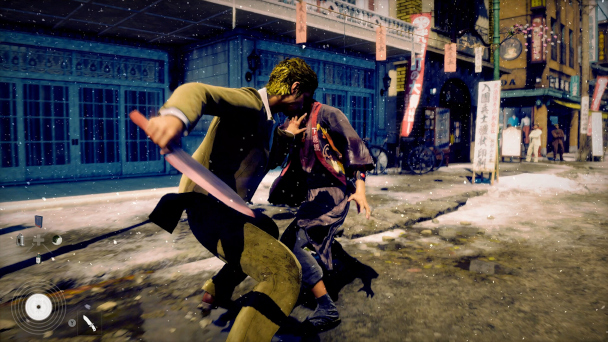
Now there’s an increased sense of momentum and a commitment to every one of Stranger’s strikes. Attacks can’t simply be summoned without consequence. Meanwhile, weapon strikes have length deliberate animations that require you to think before swinging. In some instances, the rhythm feels surprisingly reminiscent of Monster Hunter, where know the length of your wind-up is every bit as important as understanding your enemy’s behaviors. Now, every attack carries weight and recovering from a whiff can leave you vulnerable.
The Age of Swing and a Time to Parry
That deliberateness becomes even more apparent given Stranger Than Heaven’s defensive mechanics. When fighting, you’ll spend a significant amount of time avoiding incoming attacks, blocking, and looking for opportunities to counter. Dodging is mapped to the A button and quickly becomes an essential skill. But rather than acts as a panic button, successful dodges are an integral part of combat, allowing you to reposition and create openings during heated exchanges.
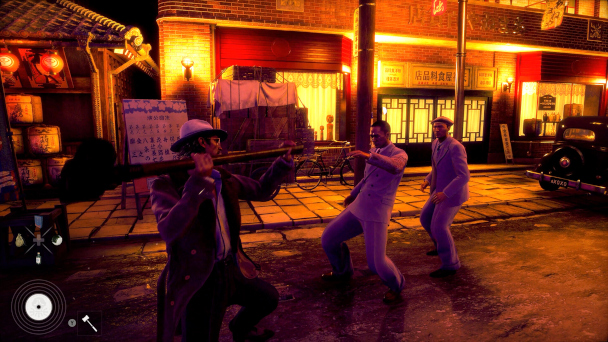
Unsurprisingly, blocking is just as important. The B button serves as the primary defensive guard, with shoulder buttons allowing you to emphasize protection on the left or right side of the protagonist’s body. Having multiple defensive options makes fights feel less rigid and provides a greater sense of autonomy especially went you’re surrounded by opponents. However, parrying might just be the mechanic that ultimately defines Stranger Than Heaven‘s approach with combat.
The Art of the Perfectly-Timed Counter
Like many games that draw inspiration from Dark Souls, well-timed defensive inputs can deflect enemy attacks, creating opportunities for retaliation. In the demo, timing windows were demanding enough to reward mastery while they weren’t strict enough to cause frustration. In the three boss encounters featured in SGF demo, recognizing attack patterns and responding with defensive actions was far more important than simply dealing damage as quickly as possible. One boney knife-wielding enemy seemed hellbent on teaching the importance of parrying.
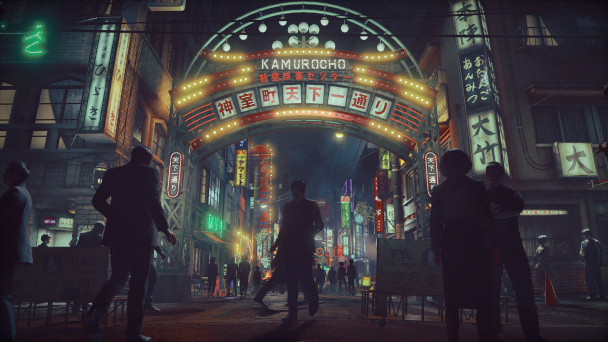
Another layer of tension occurs when you’re knocked down during combat. Unlike many games where being floored is just a momentary inconvenience, getting knocked off your feet here can create genuinely dangerous situations, with low-angle shots showing enemies determined to take you down. Fortunately, there’s a way to dodge will on the ground. By timing a press of the A button correctly, you’ll perform a quick evasive roll to escape incoming attacks. It’s all sufficiently nerve-wracking.
A Handful of Street Weapons
Weapons play a major role as well. The full game will have 13 different types of weapons, hopefully adding additional variety in combat. During the demo, I used a long knife and a crowbar. Even with this limited preview, it was clear that weapon choice could influence the pace and feel of combat. With an emphasis on timing and commitment, it’s easy to imagine each weapon type demanding its own learning curve and pre-demo video demonstrated players able to shift between different arms.
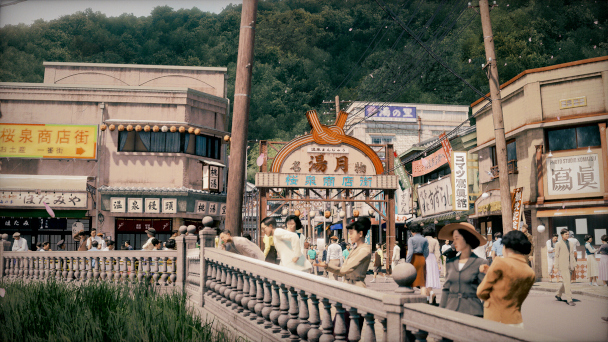
The demo itself was relatively focused, with side streets and optional exploration areas locked off in favor of a dedicated boss confrontation. While that limited the opportunity to see how combat functions across a broader range of encounters, this decision put the battle system in the spotlight. The boss fights highlighted the game’s need for observation, timing, and adaptation. Effectively, they were far removed from the fast-paced crowd fights that players might associate with the Yakuza series.
Mostly Pre-Neon Nippon
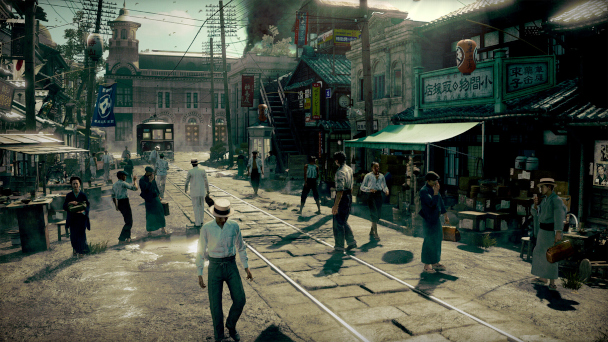
Combat isn’t the only area where Stranger Than Heaven is charting out into new territory. The game spans multiple historical settings, including Fukuoka in 1915, Hiroshima in 1929, Osaka in 1943, and two era that weren’t shown yet, 1951 Shizuoka and 1965 Shinjuku. Despite the trio of fights not allowing much time to explore the side-streets, I saw assured that shops and restaurants would open up in the full game. That said, I did spy some cinematic details, like people shuttering their windows when a fight was about to break out.
Based on this 45-minute look, Stranger Than Heaven is poised to deliver one of the most mechanically ambitious combat system that Ryu Ga Gotoku Studio has ever attempted. It’s slower, heavier, and considerably more demanding than any of Kiryu’s outings, and that’s what makes things interesting. Here, RGG seems anxious for a new start and so far that involves a combat system were haphazard attacks will knock you cold quickly. Heaven wants you to study, read, and fear opponents, master defensive play, and ultimately maintain composure. If the full game is able to build on these solid foundations, Stranger Than Heaven might be remember for its combat and not just its cameos.


So nothing about the plot was revealed? Bummer!