The Boss Gangster: Criminal Empire review
Crime Pays But The Bugs Take Their Cut

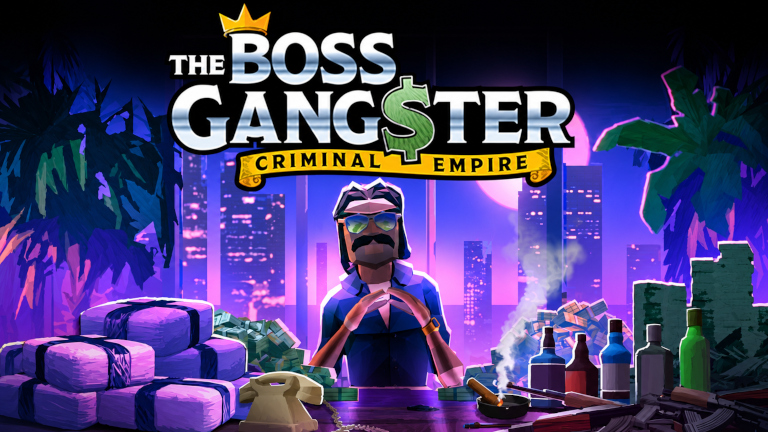
With the console release of Grand Theft Auto VI imminent, The Boss Gangster: Criminal Empire’s graduation from Steam’s Early Access program seems opportune. I’m thirsty for some wild mayhem in an urban sandbox. With its low-poly look, fleets of vehicles waiting to be liberated, and armed confrontations, it looks like it could be a modest substitute for Rockstar’s celebrated franchise.
But within minutes of booting up BEF Games’ effort, the resemblance proves superficial. Essentially, Boss Gangster feels like one of those straight-to-video flicks released just ahead of a major theatrical blockbuster. Between its uninteresting characters and dialogue, inventory of minor bugs, and input system that can sporadically elicit expletives, there’s as much frustration as there is fun. It’s understandable that a small team doesn’t have Rockstar-level resources. But that said, there’s no excuse for a 1.0 retail game to crash this often. My first two hours with Boss Gangster were marred by four crashes.

Small Office, Big Dreams, and a Few Lines
One of the best qualities of Criminal Empire is its combination of crime, role-playing, and business management. A useful comparison is Yakuza 0’s Real Estate Royale, where Kazuma Kiryu builds an urban empire across Kamurocho, hiring security and dealing with troublemakers while expanding his property portfolio. Similarly, your duties in Boss Gangster include acquiring property, building income, recruiting gangsters, and extending your reach into rival territories. Here, though, business ownership is central to the experience, with the money you earn on the streets helping finance an organization that gradually becomes more demanding to run.
The game’s two main camera perspectives support both kinds of activities, with the overhead view giving a broad overview for managerial duties, while the optional third-person view is suited to street-level activity. Here, progress depends on developing an organization, with individual crimes helping it grow. And if you’re more interested in the logistical side of being a crime boss, the game has potential.

Life on the Streets, Lessons on Repeat
The guided campaign makes a sluggish introduction to underworld freedom, although separate sandbox scenarios let you start without following its lessons. Early objectives have you pickpocket three civilians and work as a doorman, hot dog vendor, and taxi driver before moving into office work and building your own organization. That breadth should establish how the systems fit together. Instead, routine errands get more attention than they need, while some essential instructions remain unclear. Lockpicking is one example: you position the pick with the mouse and apply pressure with the space bar, but the introduction does a poor job of explaining the interaction. Sadly, Criminal Empire’s lessons can be both unnecessarily slow and surprisingly vague.
Don’t expect the game’s storytelling to counterbalance that weakness. The game begins quickly enough with a shipment deal interrupted by the police, supplying an immediate crisis. But the dialogue fails to turn the familiar crime-fiction setup into a compelling prologue. The writing is amateurish, favoring dull exposition and generic criminal stereotypes. As such, characters convey events without flaunting much personality, the voice acting is mediocre, and the general tone can’t decide if the game is satire or playing it straight. As in De Palma’s Scarface, your ascent through the criminal underworld should be reflected in how others address you. Unfortunately, Criminal Empire’s journey from street thug to tycoon forgets that.

Of Hot Dogs and Hostile Takeovers
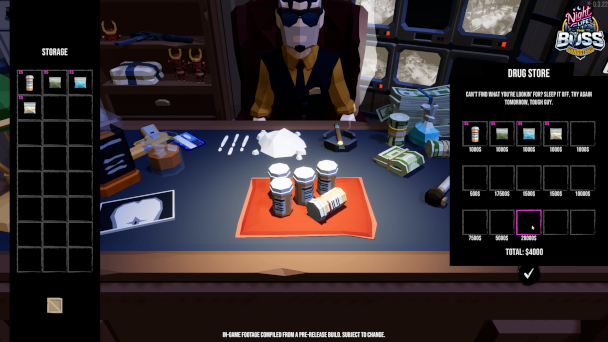
Given the lackluster writing, it’s beneficial that the game’s character development options are fleshed out. Skills covering combat, charisma, trading, crafting, pickpocketing, and lockpicking let you emphasize traits that suit your aspirations. Their effects are practical: Vision improves firearm accuracy, Trade reduces shop prices, and Charisma lowers payments to the police and City Hall. Craft, meanwhile, cuts the time spent processing items at a crafting table. Expectedly, vehicle theft is one way to make money, while drug production, dealing, and nightclub ownership provide other opportunities. Recruiting a crew and taking over rival territory is another viable option if you’re seeking a more aggressive approach. Ordinary employment is also a possibility, letting you drive cabs, sell hot dogs, or work as a doorman. Largely, the variety of vocations is welcome, letting you decide how much risk you want to take while building your income.
The greatest freedom is found in Criminal Empire’s nightclub and production systems. Running a club means hiring bartenders, waiters, dancers, and security while keeping enough drinks in stock to satisfy your clientele. VIP reservations add another consideration, with guests requesting particular supplies and services. On the production side, plants need to be grown, dried, and packaged, while larger warehouses let you employ growers, chemists, and handlers. There’s a sense of progression as tackling individual tasks gives way to managing a larger source of revenue. Gradually, hired managers can take over supply orders and staff training, although their wages and operating budgets become additional expenses to consider.

This is where Boss Gangster is at its best. There’s a gratifying cycle of profit, reinvestment, and growth that makes the game’s bugs nearly tolerable. The downside is that there’s quite a bit of repetition, and more routine management details could be handled by the game, freeing up your time for more consequential decisions. That said, the connection between business ownership and criminal expansion is the strongest part of Criminal Empire.
Wanted: A Reliable Getaway
Unfortunately, the game’s controls undermine both the action and management components. Overhead navigation uses mouse-driven movement, while third-person play employs WASD controls. Changing perspective means adjusting to another input scheme, and both modes suffer from awkward camera handling. Switching to a controller does little to improve matters, with gamepad play still feeling awkward. Driving is inconsistent, and getting stuck on environmental objects happens sporadically. Meanwhile, combat is pretty joyless, with some basic enemies taking seven or more headshots to bring down.
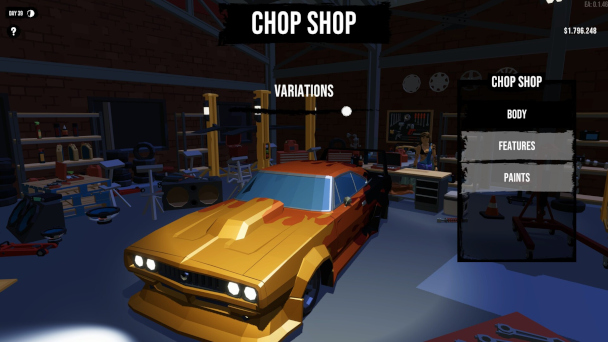
Problems with followers and pathfinding can also interfere with attempts to move your crew through the city. These are critical weaknesses for a game that’s built around choosing activities and directing other characters. Camera adjustments, uncertain movement, and unreliable companions often demand your attention at the expense of your basic tasks. While the freedom in Criminal Empire is admirable, it’s difficult to appreciate when basic control is one of the game’s toughest opponents.
Given the scale of Criminal Empire, the low-poly visual style is a smart choice. Yes, there aren’t many memorable sights, but the approach keeps the city readable, save for some palpable pop-in on the horizon. Undoubtedly, the more serious shortcomings are pacing, writing, and basic play. There are enough business systems and alternative sources of income to distinguish the game from other urban sandboxes. And if you’re interested in nightclub management or assembling a criminal organization, Boss Gangster might pass the time until a better sandbox arrives. While the game offers several notable ways to build your empire, the developers need to find a way to make the undertaking enjoyable.
Overview
GAMEPLAY - 70%
CONTROLS - 25%
CONTENT - 75%
AESTHETICS - 65%
PERFORMANCE - 20%
VALUE - 45%
50%
LACKING
Running nightclubs and expanding your crew can be satisfying, but The Boss Gangster: Criminal Empire keeps getting in its own way. Between the awkward controls, repetition, and bugs, being the boss feels like a job you should probably turn down into work conditions improve.