Yakuza Kiwami 3 & Dark Ties review
A Stronger Yakuza 3, with an Uneven Side Story

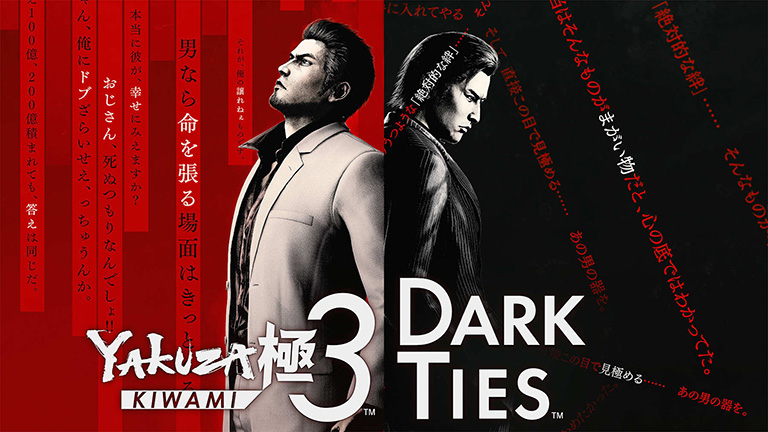
Yakuza Kiwami 3 & Dark Ties is the latest effort to modernize Ryu Ga Gotoku Studio’s early catalog, revisiting a key chapter in Kazuma Kiryu’s journey. Originally released in 2009 on PlayStation 3, Yakuza 3 is likely best remembered for delivering HD fidelity and shifting toward a quieter, character-driven style of storytelling. Set after the events of the original saga, it balances Kiryu’s attempts at domestic peace with the familiar pull of the underworld, making it a perfect candidate for a Kiwami-style revision.
Pleasingly, the core storyline remains intact: Kiryu splits his time between running the Morning Glory Orphanage in Okinawa and being dragged back into yakuza politics involving land disputes, shadowy government forces, and some instabilities within the Tojo Clan.
From Pastoral Pacing to Pulpy Pathos
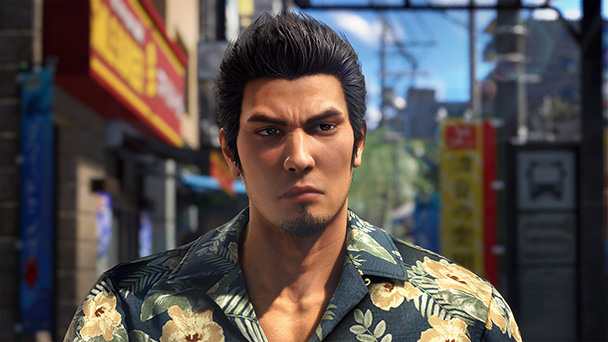
What once felt like a slow, almost pastoral opening, now feels more in line with modern entries that would build on Kiryu’s role as a reluctant guardian. Largely, Yakuza Kiwami 3 embraces this emotional weight, reminding us how impactful the third mainline entry was to the franchise’s long-form character arcs.
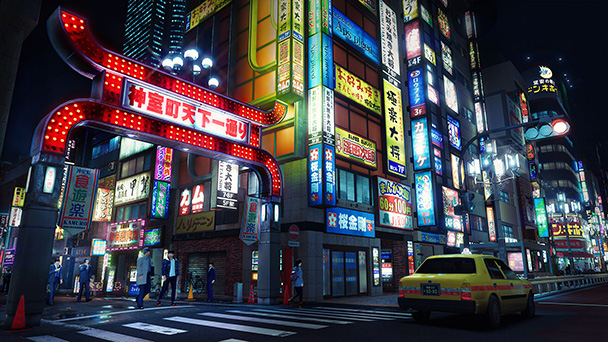
The most immediate changes are visual. Built on the modern Dragon Engine, Kiwami 3 dramatically upgrades its character models, lighting, and environmental detail, bringing Okinawa’s sun-soaked streets and Kamurocho’s neon glow closer to the series’ contemporary standards. Animations are smoother, facial expressions more realistic, while cutscenes enjoy more cinematic framing.
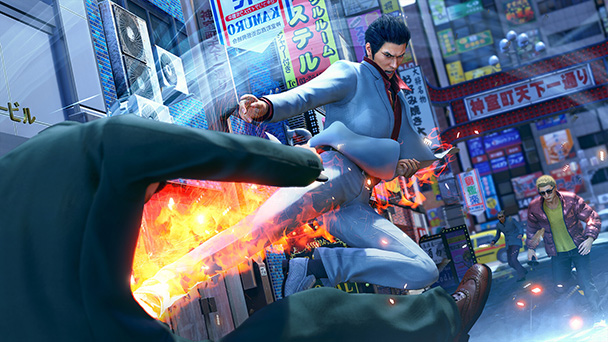
While some criticized the lighting and texturing of the recent demo, there’s little evidence of graphical shoddiness in the final build. RGG Studio’s recent patching seems to alleviated all but the infrequent visual abnormality, making the package feel like a bit of virtual tourism. That said, the verticality and density of Kamurocho is the real winner here. Okinawa receives improved fidelity to bring it up to modern standards, but the upgrade removes just a bit of the sand-dust fuzziness charm of the original.
Less Turtling, More Throwing Hands
Combat receives a small but significant revision, addressing long-standing complaints about the original’s defensive-heavy enemy behavior. Fights now unfold at a brisker pace, with enemies less prone to turtling and more responsive to well-timed aggression. Sure, it’s a small change and some elevated enemies can still be exasperating, but I appreciate how Yakuza Kiwami 3 urges you to apply the pressure on foes.
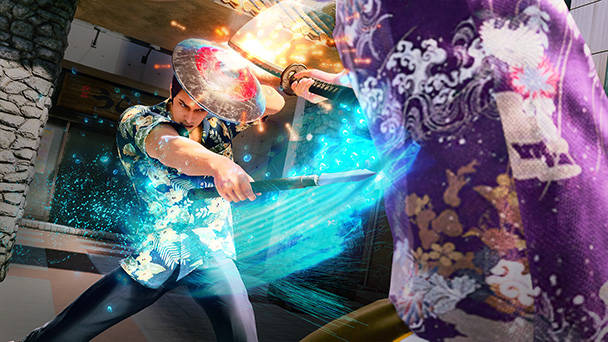
Although Kiryu’s brawler moveset remains familiar, it benefits from cleaner hit detection, and smoother transitions between light and heavy attacks. The Dragon Engine also adds a greater sense of physicality, with impacts feeling heavier and crowd encounters flowing more naturally than they did in the original release.
Familiar Fists, Heavier Hits
Largely, Dark Ties builds on this foundation rather than reinventing it, offering a combat style that diverges from Kiryu’s, reflecting Yoshitaka Mine’s temperament. Here, encounters emphasize aggression and momentum, with quicker strings and situational strikes that reward movement over basic defensive play. While it doesn’t introduce a radically new system, the side story smartly tweaks timing, Heat usage, and enemy reactions to keep fights feeling distinct. Together, both campaigns benefit from combat that finally matches the series’ modern rhythms, making revisiting Yakuza 3 far less of a mechanical hurdle than it once was.
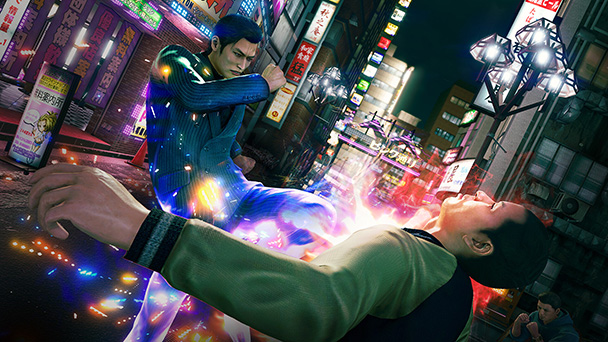
Regretfully, Dark Ties doesn’t quite reach the same narrative peaks as the main campaign, with writing that feels more functional than memorable. But it does slot cleanly into the broader Yakuza 3 storyline. Rather than recontextualizing events or offering major revelations, it works as connective tissue, filling in gaps and reinforcing existing character dynamics. The dialogue can be stiff and occasionally on-the-nose, yet it rarely feels tedious. Instead, it mirrors the tone and pacing of late Yakuza storytelling, just with a bit less pathos. I come to the games appreciating the heroic bloodshed and there was just a bit less pathos that I would have liked.
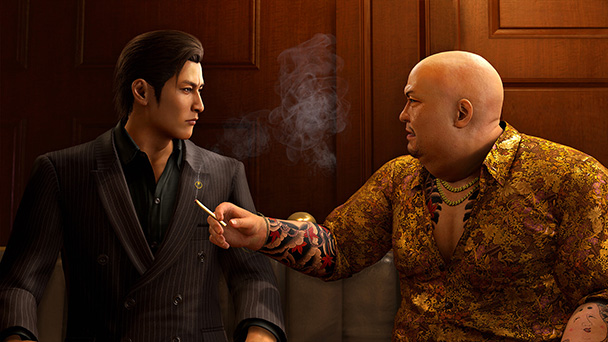
One issue: Yoshitaka Mine himself remains a fairly limited focal point, as his restrained emotional range leaves him less compelling to inhabit over long stretches. However, his scenes with Tsuyoshi Kanda do provide a welcome tonal shift. Kanda’s volatile energy and loud, impulsive personality clash sharply with Mine’s cold composure, creating exchanges that flirt with Manzai-style comedy, that pits straight man versus a loose cannon. These moments inject some levity into Dark Ties, briefly breaking Mine’s stoic shell and giving the narrative flashes of personality that it otherwise struggles to sustain.
A Stronger Middle Chapter Elevated by a So-so Side Story
Yakuza Kiwami 3 & Dark Ties aims to give one of the series’ most divisive entries a through revision. By preserving its intimate, reflective tone of Yakuza 3 while updating its mechanics and presentation, the remake shifts the game from a standard middle chapter into an experience with a bit more emotional resonance. Regretfully, Dark Ties doesn’t fare quite as well. While franchise fans will appreciate its inventory of side quests, is more ancillary than essential.
Yakuza Kiwami 3 & Dark Ties was played on PC with review code provided by the publisher.
Overview
GAMEPLAY - 90%
CONTROLS - 90%
CONTENT - 90%
AESTHETICS - 90%
PERFORMANCE - 85%
VALUE - 80%
88%
VERY GOOD
Yakuza Kiwami 3 gives one of the series’ most divisive entries a welcome second life, pairing an effective, character-driven story with modern visuals and combat. Dark Ties is a competent but less resonant companion piece, made worthwhile mainly by a divergent fighting style and the occasional spark of personality rather than any must-see narrative additions.


Its a shame that SEGA removes the original game from sale. Why can’t they keep it around?
Any discount for owning the orginal game?