Warhammer 40,000: Rogue Trader review
Lofty Ambitions Undermined by a Lack of Polish

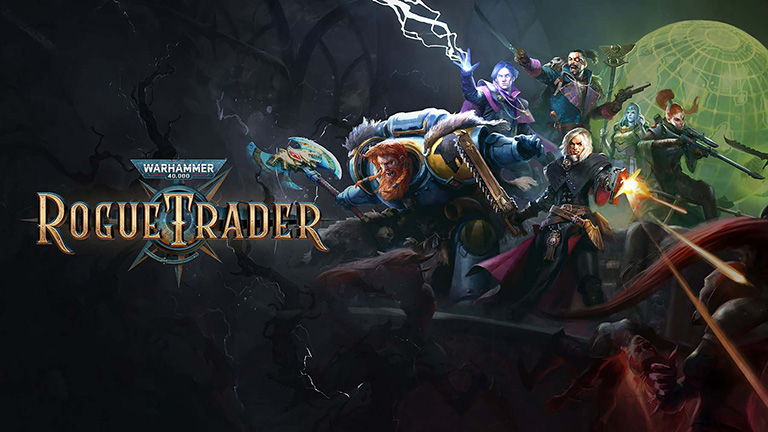
Owlcat Games has built a reputation on crafting delightfully dense CRPGs. Across titles such as Pathfinder: Kingmaker and Pathfinder: Wrath of the Righteous, the Cyprus-based developer has delivered rich character progression, dynamic storytelling, and campaigns that sprawl across dozens, and sometimes even hundreds, of hours.
While Warhammer 40,000: Rogue Trader continues this tradition, the game shifts the game’s tone and structure to fit the grimdark sci-fi universe. Compared to the Pathfinder titles, Rogue Trader puts a greater emphasis on narrative choice and character development on top of their usual level of lofty mechanical complexity. The result feels especially relevant for the 40K universe where tyrannical power and moral concessions habitually run rampant.
A Rich Narrative Explores Engrossing 40K Themes
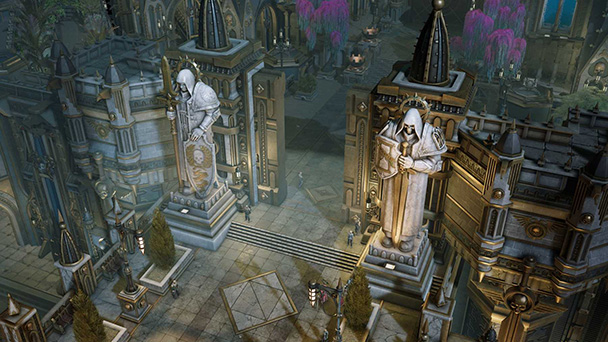
First, the good news: the writing in Rogue Trader is one of Owlcat’s strongest efforts to date. Where Pathfinder often flirted with high fantasy excess and exhaustive lore dumps, Rogue Trader’s prose is sharper and more personal. The dialogue captures the oppressive weight of the Imperium, blending religious fanaticism, bureaucratic cruelty, and moments of dark humor.
Conversations frequently structure choices not as simple good and evil dichotomies, but as varying shades of tyranny, pragmatism, and survival. Other properties lean toward the satirical or comedic with Ork’s signature (“WAAAGH!”) war cry. Unsurprisingly, Owlcat doesn’t abandon their text-heavy approach, making Rogue Trader feel like a novel at times. But here, the dialog feels more disciplined that some of the studio’s earlier works. Hopefully, Owlcat’s editing team remains as diligent in future efforts.
Top Notch Voice Acting Adds to the Experience
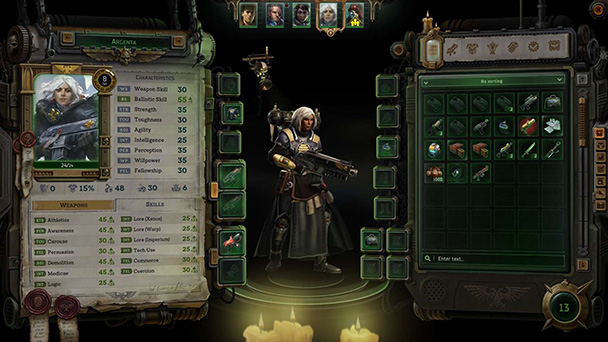
Complementing and underscoring the quality of the writing is Rogue Trader’s skilled voice acting. While we don’t get comprehensive performances, most of the major story beats, interactions with your companions, and most of the game’s more pivotal scenes are full voiced. Largely, the performances do an impressive job conveying the brutality and ideological undertones of 40K.
Characters like officers of the Imperium, zealots of the Ecclesiarchy, and morally conflicted companions all feel distinct and convey believability. That said, some of the dialogue remains unvoiced, which can make transitions between scenes uneven. Compared to Owlcat’s Pathfinder games, Rogue Trader uses voice work more assuredly but still stops short of delivering a cinematic experience. It would be great to see the team go all out on a future CRPG.
Plenty of Player Autonomy
Best of all, dialogue choices are impactful, helping to sell the fantasy of being a Rogue Trader wielding near-absolute authority. Decisions influence everything from companion loyalty, faction standing, planetary outcomes, and even how the Imperium perceives your dynasty.
Unlike Pathfinder’s alignment system, Rogue Trader emphasizes ideology and governance, with faith pitted against pragmatism, mercy contrasted against control, and innovation juxtaposed with dogma. Interestingly, many choices don’t reveal their consequences immediately, which enhances immersion and provides importance and just a bit of tension. These delayed payoffs mean conversations feel complex rather than the transactional interactions of many RPGs.
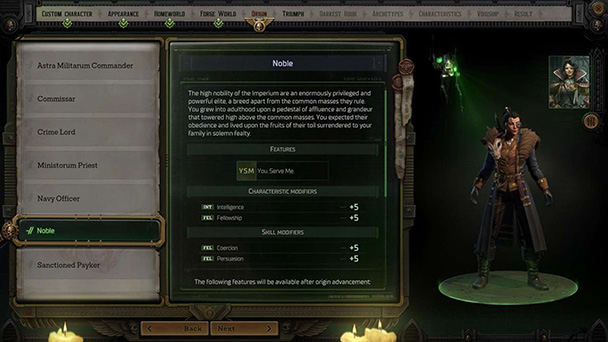
Party Configuration Plays a Key Role
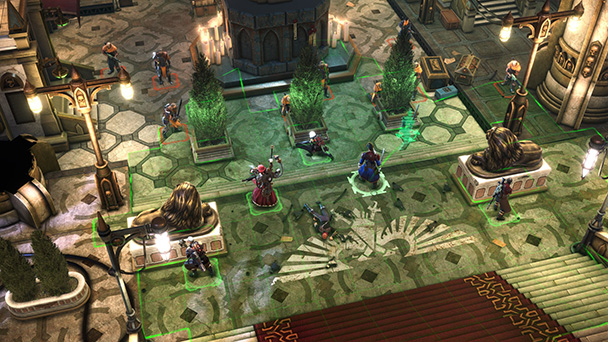
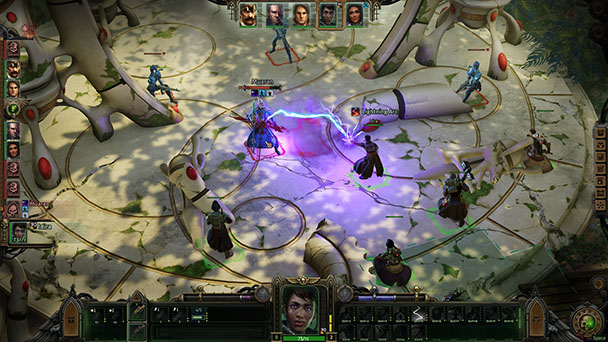
Combat shifts from Pathfinder’s mix of real time with pauses and into a completely turn-based tactical approach, which suits 40K well. Encounters are built around action points, cover, positioning, as well as coordinated ability use. Ranged combat dominates, but melee units and psykers play critical roles in managing space and breaking up enemy formations. Compared to Owlcat’s earlier titles, combat here is more readable and less mechanically bloated. Both careful planning and an understanding of Rogue Trader’s system are essential for success.
Party composition plays a key role in how combat unfolds. Frontline tanks can anchor fights and draw enefire, while ranged units can eradicate priority targets from covered positions. Officers and support characters can dramatically alter the flow of battle by granting extra actions, buffs, or battlefield control. Psykers add volatility, offering powerful crowd control and damage at the risk of backlash effects. Best of all Rogue Trader’s builds truly fill specialized roles that encouraging party synergy rather than individual dominance on the battlefield.
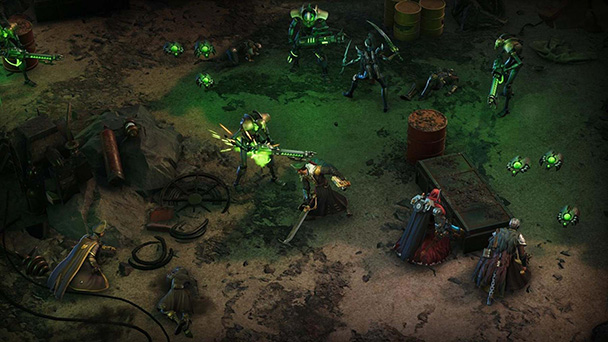
Team Types Will Alter Approaches
Yes, different party builds can radically change the difficulty and pacing. A squad built around command abilities and ranged firepower can dismantle encounters efficiently, while more experimental or melee-heavy teams require careful positioning and risk management. Some builds can scale exceptionally well into the late game, occasionally making encounters feel trivial, while others demand more administration to remain efficient. This imbalance recalls the approach of Owlcat’s previous games, though it’s less extreme and easier to recover from thanks to the ability to re-spec and companion flexibility.
Now, the bad news: the Switch 2 version struggles to live up to the strength of Rogue Trader’s underlying design. At launch, performance issues were widespread, with frequent slowdown during combat, uneven frame pacing while navigating dense environments, and noticeable stutter when menus and ability-heavy encounters piled up. These problems undercut the tactical flow, making an already deliberate combat system feel sluggish and, at times, unresponsive.
On Switch 2, Rogue Trader doesn’t Feel Ready for Release
A post-launch patch has since alleviated some of the worst offenders, improving overall stability and smoothing out the most severe frame drops. However, those gains came at a cost: new bugs have surfaced, including visual glitches, sporadic input hiccups, and odd timing issues during animations and transitions. With there’s been a clear improvement early on, things devolve quickly once you hit the game’s second act. The result is a version that’s slightly more playable than it was at launch, but still far from polished, leaving the impression of a port that remains in flux.
That sense of uncertainty extends beyond performance. Owlcat still has considerable work ahead on Rogue Trader, both in refining the core experience and in delivering its promised DLC. Additional content could meaningfully expand companion arcs, deepen late-game systems, and address pacing concerns, but the developer’s history suggests that post-launch support is often a long and uneven road.
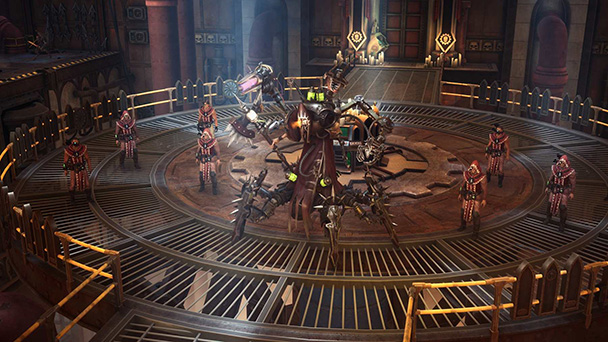
When Lofty Ambitions Meet Shoddy Execution
Past projects have eventually improved through patches and expansions, yet those improvements rarely arrive quickly or cleanly. As it stands, Rogue Trader feels like a strong foundation that hasn’t yet reached its final form, and with optimization and DLC still looming, the game’s long-term future, especially on Switch 2, feels hazy. Fans willing to wait may be rewarded, but for now, Rogue Trader remains a compelling CRPG held back by lingering technical and developmental questions.
Warhammer 40,000: Rogue Trader was played on Switch 2 with review code provided by the publisher.
Overview
GAMEPLAY - 80%
CONTROLS - 75%
CONTENT - 85%
AESTHETICS - 75%
PERFORMANCE - 20%
VALUE - 45%
63%
Lackluster
Warhammer 40,000: Rogue Trader delivers some of Owlcat’s strongest writing, meaningful player choice, and smartly streamlined turn-based combat, making it an excellent fit for the grimdark 40K universe. But a shaky Switch 2 port weighed down by performance issues and lingering bugs undermine those ambitions, resulting in an ambitious CRPG that feels rough on Nintendo hardware.

So stick with the PC version, right?
I emailed Nintendo about getting a refund today. Hopefully, they’re aware of all the issues.