RoadOut review
A Finger on the Trigger and a Foot on the Gas


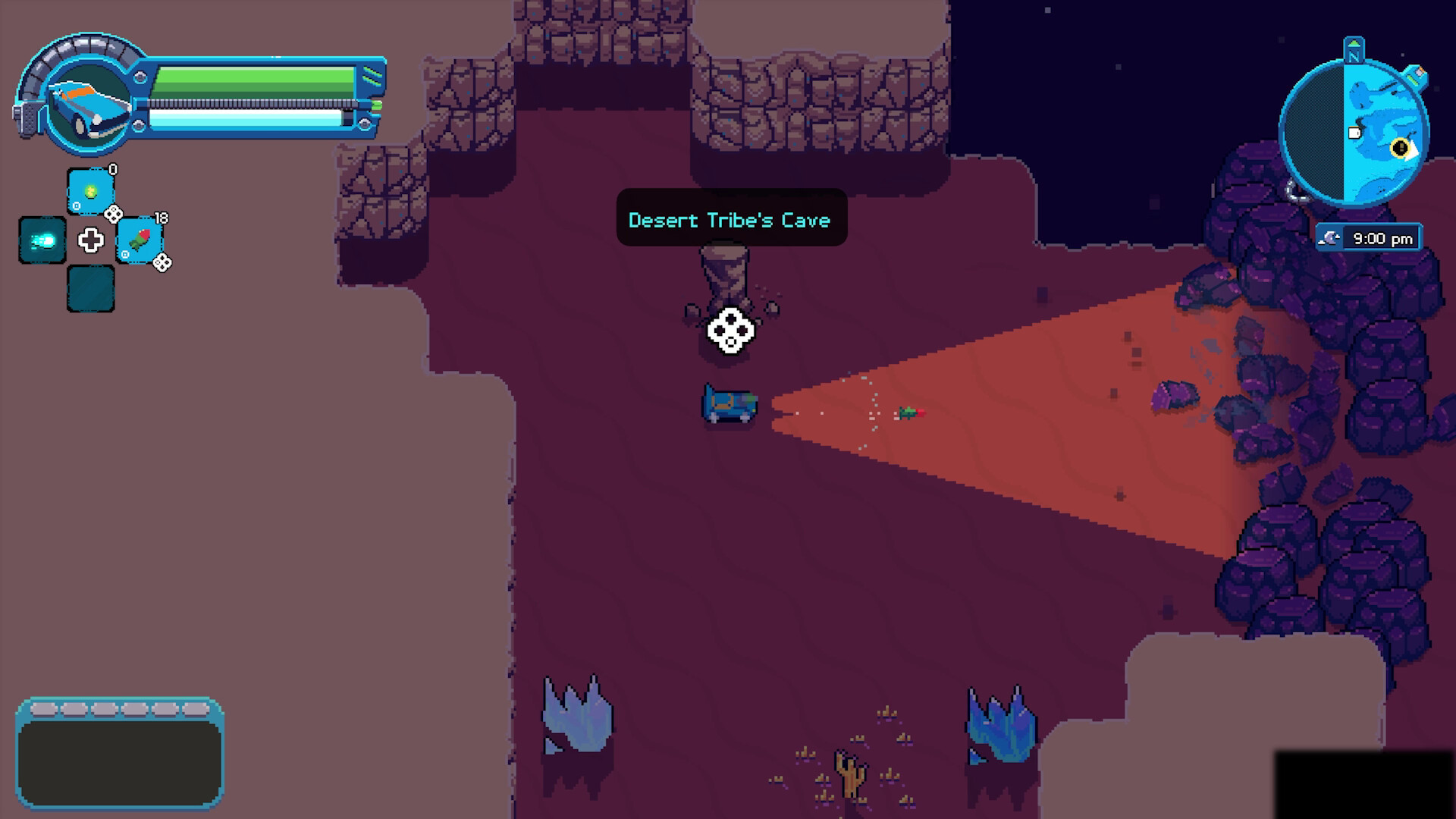
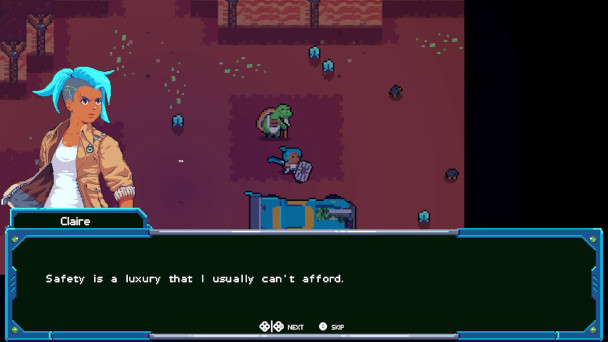
RoadOut drops you into a desolate expanse called the Dead Zone. You play as Claire, a mercenary making her way through a world where three factions wrestle for control: the Wasteheads, the SaibaKuran, and the Order of the New Code. On paper, it’s a setup you’ve probably seen before in open-world games. But the setup gives RoadOut a sense of consequence that you might not expect from the game’s low-res look.
Siding with a group has a tangible effect. Missions might open or close and some markets can provide provide access depending on who owes you a favor. Sure, it’s not some kind of deep diplomatic simulation and you can really go fully Yojimbo (the Kurosawa movie where Toshiro Mifune plays both sides against each other). But the world feels just reactive enough that you might think twice before taking a job. And that’s the kind of system that makes digital sandboxes feel worthwhile.
Dungeon Puzzles are a Delight
There’s a small but proud group of open-world games from the 16-bit era that include Shadowrun, Buck Rogers: Countdown to Doomsday, and the Romancing SaGa games. RoadOut could easily fit right into this club. Its low-resolution aesthetic channels the look of a 90’s cartridge while dungeon designs borrow from Zelda.
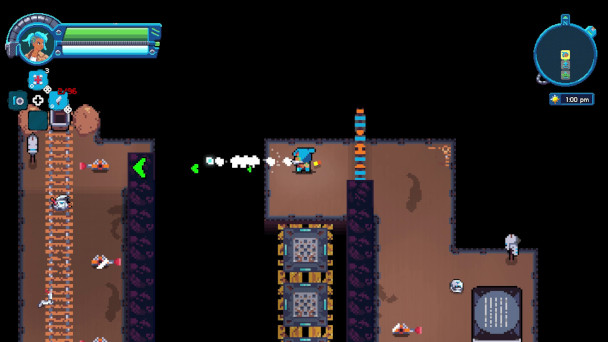
Just like the old days, there’s plenty of switch puzzles, sokoban pushing, and the occasional need to rotate the camera to reveal something hidden from plain sight. These sections are one of the game’s highlights, delivering the kind of puzzle-solving that aren’t hard enough to halt progress. But they are challenging enough to generate gratification when you discover the solution. Largely, dungeons are well designed and fun.
Looking for a Fight?
While the game’s overhead perspective and punishing health drops might draw comparisons to Hotline Miami, RoadOut combat isn’t as twitchy or as reset-heavy. Fights against basic enemies are deliberate and even methodical at times. Claire uses a mix of melee and ranged weapons, but you’re barging into rooms, killing anyone on sight. A stamina bar actively discourages any kind of ‘dash and dish’ approach. Most of the time, you might ready a gun or charge a melee attack around a corner, rather than display raw aggression.
It’s evident that Claire is designed to feel underpowered, which isn’t always a comfortable choice. She’s frequently stunned by enemies, and the game has a habit of throwing difficulty spikes at you without much warning. Boss battles tend to be significantly tougher than taking down standard foes. But these rough patched are partially balanced by plenty of resources that can be crafted into healing items. The problem here is that relying on first aid can make fights feel tedious rather than tense.
Driving isn’t Quite Right
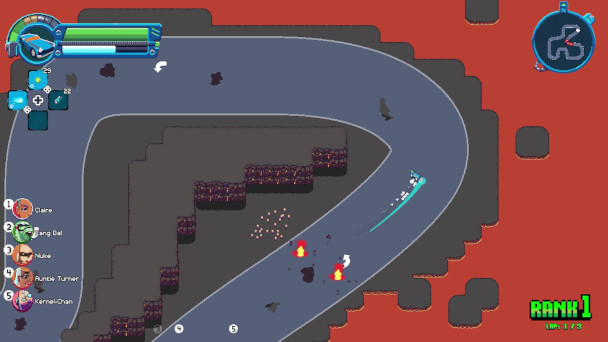
RoadOut attempts to distinguishes itself with car combat, but the results are decidedly mixed. Vehicular battles are frantic and crunchy, showcasing a bit of absurdity as Clair’s car bounces off wall and enemies cartoonishly. But the real issue is the combination of a incredibly loose turning radius and the feeling that the Dead Zone has been smeared in butter. I like drifting and a bit of fish-tailing as much as anyone, but navigating through some of the narrow corridors in RoadOut’s open-world can be frustrating. On the upside, there’s plenty to do behind the wheel with ten racing tracks and destruction derby events providing a change of pace from the on-foot dungeon crawling.
Some will undoubtedly take issue with the control scheme. The car handles like a 2D version of Halo‘s Warthog. You point the left stick in the direction you want to travel, and the vehicle turns accordingly. It’s a system that makes sense in that context but feels slightly awkward, particularly when navigating those tighter environments. An alternate control option that would go a long way toward improving accessibility for anyone accustomed to more traditional vehicle handling.
Unexpected Deaths will Bite
Unfortunately, RoadOut lacks autosaves, which is a significant omission in a game with this many difficulty spikes. Losing progress to an unexpected death feels like an odd design oversight since it can turn a annoying into a truly maddening one. Steam Deck players should also be aware that, at the time of review, some in-game text is cut off on Valve’s handheld. Hopefully, developer Rastrolabs Game Studio will patch these oversights, which should have been remedied before release.
RoadOut understands what made old-school open-world adventures memorable in the first place. Its reactive factions, satisfying dungeon puzzles, and combat deliver an atmospheric experience that feels inspired by several16-bit classics. There’s a genuine sense of discovery in roaming the Dead Zone, whether you’re uncovering a clever puzzle solution or deciding which faction deserves your loyalty. But for all its strengths, Roadout too often lose traction with slippery driving physics, sudden difficulty spikes, and a lack of autosaving can suppress your motivation. The result is a game that makes exploring the sandbox enjoyable, even if the journey through the Dead Zone is harder than it should be.
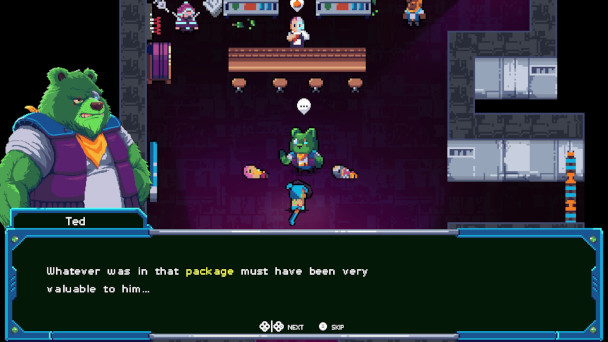
RoadOut was played on PC with review code provided by the publisher.
Overview
GAMEPLAY - 75%
CONTROLS - 60%
CONTENT - 75%
AESTHETICS - 65%
ACCESSIBILITY - 65%
VALUE - 70%
68%
OK
RoadOut feels like a lost 16-bit open-world game, blending reactive factions, clever dungeon puzzles, and tense combat into an atmospheric trek through the Dead Zone. It’s an easy game to admire, even if slippery driving physics, abrupt difficulty spikes, and the lack of autosaves occasionally make the experience more frustrating than fun.




Sounds interesting but I’ll wait for some possible patches and a price drop.