One Fenix Down review
A Real Gem (Knight)

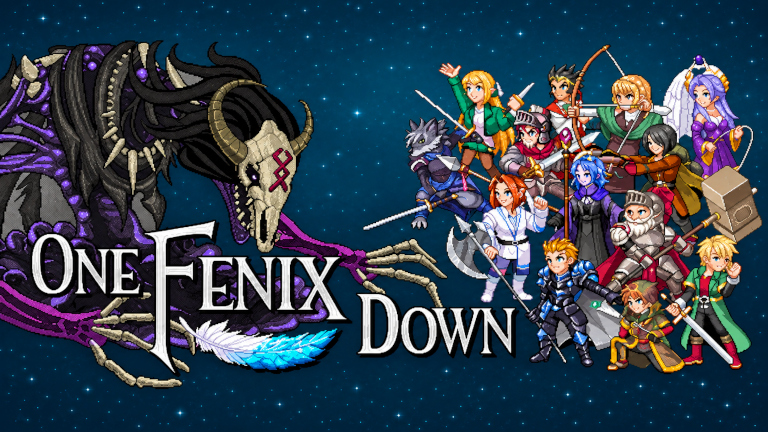
Retro role-playing games often take their time building toward conflict, but One Fenix Down opens with a siege that feels impressively large. Torloria’s defenders make a desperate attempt to destroy a bridge and slow the Goa Empire’s advance. You follow a single soldier through the chaos, giving the war a human scale beneath its sweeping stakes; a stirring, chip-tune score makes the scene feel like a lost SNES prologue.
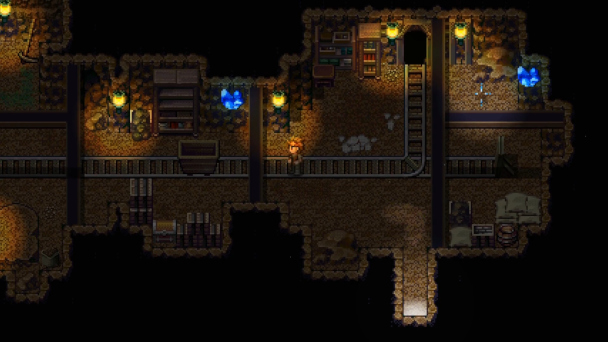
Seven years later, Fenix Strauss works in the depths of Mount Roshel when a minotaur attacks the mining crew. Other young people have gone to the front, but Fenix stays behind, a choice that draws scorn and feeds his rivalry with Jager. His reluctance gives the journey a more personal starting point: before he can take on the world, he has to decide who he wants to be.
The Crystal Has Other Plans
After monsters overrun the mines, the towns forbid further mining, even as a religious order continues to seek the brilliant blue Valkorite. Fenix sets out with his best friend Rory, his childhood rival Jager, and Lady Aquinas of the Order of Seraphim. Creatures guard a cache of the crystal, and a mysterious voice reaches Fenix; the Valkorite then bonds with his armor, awakening his Gem Knight powers.
The save-the-world plot follows familiar RPG paths, but Fenix’s effort to reconcile his ideals and newfound power with his father’s legacy gives the adventure a personal center. The campaign begins on a guided path as companions join and leave, then opens up after a major upheaval and sends Fenix searching for old allies. Its large cast, political factions, and steady stream of explanations can crowd the pacing, though shifting alliances and sharper twists keep the stakes moving.
ATB, But Not a Reflex Test
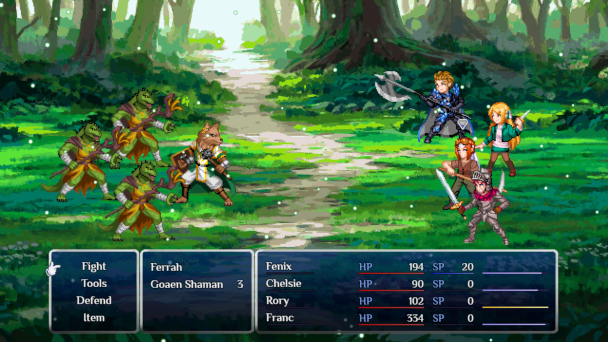
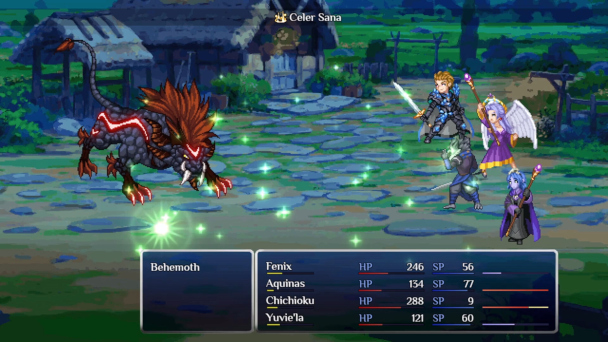
Combat uses an ATB Wait system: characters and enemies have separate gauges that determine when they can act, but battles remain menu-driven rather than action-based. The timing gives fights some urgency while leaving room to weigh attacks, magic, status effects, and weaknesses. Bosses reward preparation, so equipment choices, party roles, and skill upgrades matter more than repeating the basic attack command. One small menu annoyance: retreat sits under a secondary option instead of being immediately available.
Distinctive abilities give the party its character. Fenix can learn and reuse monster skills, turning enemy techniques into a flexible repertoire. Rory puts his mining tools to work with explosives that hit groups, while Aquinas mixes healing with fire magic and Chelsea can break down items to strengthen healing supplies. Class Points let you invest in active and passive skills or weapon proficiencies, adding customization without making the fourteen-plus characters feel interchangeable.
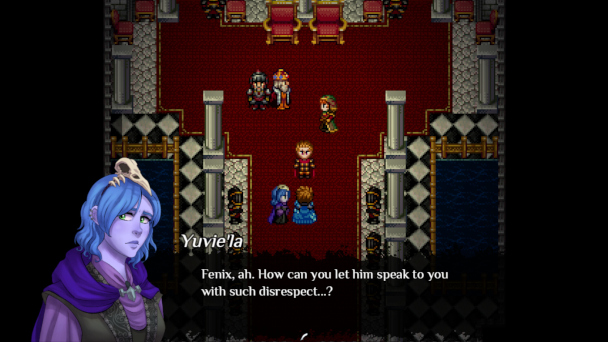
Excedo is each character’s signature super move, but the meter can still feel stingy. A recent update made Excedo easier to obtain, yet in my playthrough it could still take several battles before a character’s special attack was ready. That delay makes the flashy moves feel more like occasional bonuses than dependable tools for a tough fight.
Detours, With Actual Payoffs
Exploration follows old-school foundations with a few welcome adjustments. Dungeons show enemies on the map, so you can choose to engage or slip past them while solving environmental puzzles, including block-pushing challenges. The overworld keeps random encounters, which can interrupt longer trips, though items let you lower or raise the encounter rate. Some puzzles have multiple solutions, and chests can reward detours with gear worth finding.
Optional paths and side areas add tougher fights, hidden rewards, and more puzzles for curious players. Late-game dungeons even ask you to split the roster into multiple teams, giving the expansive cast a useful role beyond swapping your four-person party. These diversions make the world feel generous, especially when a chest holds equipment far better than what the nearby shop sells.
Mode 7, With a Haunting Refrain
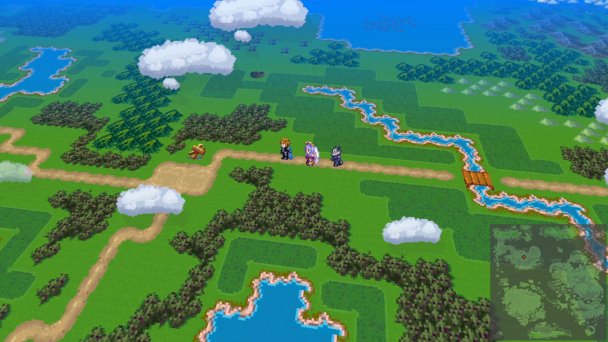
One Fenix Down wears its ’90s influences proudly, from its pixel art to the faux Mode 7 perspective that turns the world map into a sweeping horizon. The soundtrack supplies the big melodic hooks of a classic console adventure, and guest vocalist Emi Evans gives the main theme a haunting lift. Some item uses lack satisfying audio feedback, and little clicks occasionally intrude on the score, but those rough edges don’t erase its musical charm.
Despite its crowded narrative and patience-testing Excedo meter, One Fenix Down is a generous, lovingly made retro RPG. Its distinctive party abilities, rewarding dungeons, and old-school sense of discovery make the journey worth seeing through.
One Fenix Down was played on PC with review code provided by the publisher.
Overview
GAMEPLAY - 80%
STORYTELLING - 80%
CONTENT - 85%
AESTHETICS - 80%
PERFORMANCE - 65%
VALUE - 80%
78%
GOOD
One Fenix Down turns its ’90s RPG influences into a warm, surprisingly tactical adventure with a memorable cast and dungeons worth exploring. A crowded story and an Excedo meter that fills slowly can test your patience, but the old-school charm is hard to resist.