Iwakura Aria review
A New Direction for MAGES

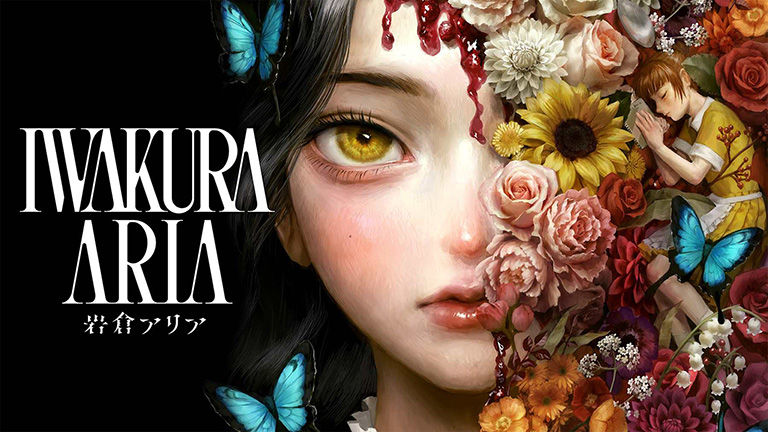
MAGES, the studio behind genre-defining visual novels like Steins;Gate and Corpse Party, takes a bold creative pivot with Iwakura Aria. Known for their high-stakes twists and wonderfully fantastical premises, the Shibuya-based team trades sci-fi paradoxes and supernatural horrors for a quieter, more unsettling experience. This time, fear isn’t rooted in unraveling timelines or malevolent spirits but rather in the fragility of human relationships and the lingering ghosts of our ancestral histories.
Aria is set in 1966, a time when Japan was still reshaping its identity after World War II. This was a period of rapid economic growth, significant urban (re)development, and persistent relocation, both voluntary and forced. Harnessing the friction associated with societal change, Aria centers on a trio of characters whose lives intersect in unexpected and occasionally painful ways. Far removed from the swift pace that defined the era, the game’s measured reveals allow us to appreciate the subtleties of communication and the intricacies of human bonds.
Ichiko Kitagawa’s Uncertain Path
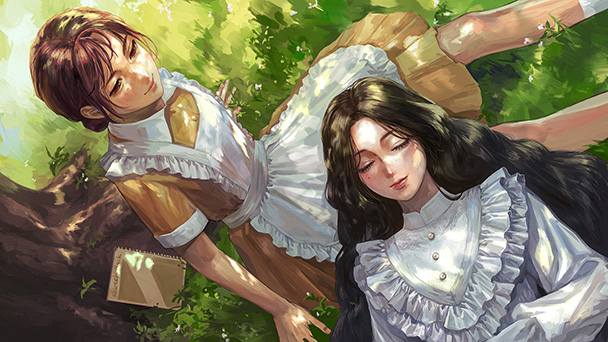
Protagonist Ichiko Kitagawa is a sixteen-year-old orphan raised in a succession of foster homes and orphanages. Forced to return to a children’s home after an unsuccessful attempt at working, her artistry earns the attention of Amane Iwakura, a well-dressed and enigmatic man with a teenage daughter.
Admiring her talent for painting, Amane offers Ichiko the opportunity to work as a live-in maid at his secluded mansion. Fascinatingly, the novel keeps Amane’s motivations ambiguous. Although he’s outwardly sophisticated and benevolent, there are hints of unresolved trauma rooted in the postwar context.
Aria Iwakura: A Figure of Mystery
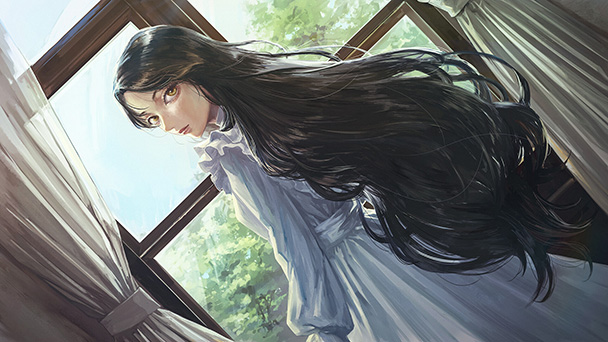
Meanwhile, the young Aria Iwakura is at the heart of the narrative. She’s a beautiful and almost ethereal young woman whose love of art helps form a connection with Ichiko. Yet much of her personality seems almost wholly constructed by the desires, affections, and obsessions of those around her.
Initially somewhat dismissive toward Ichiko due to their employer–servant relationship, Aria gradually warms to her once she recognizes both her artistic talent and her own personal struggles. And while a cook often serves as a catalyst for the story, it’s the Iwakura mansion that’s arguably the game’s fourth main character, shifting between a sanctuary and a space of emotional confinement.
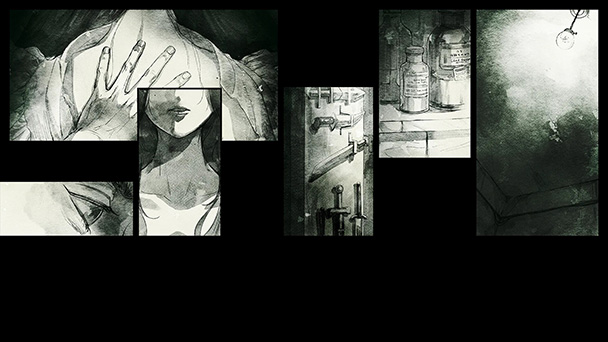
Undoubtedly, one of Iwakura Aria’s strengths is its stalwart refusal to rush. Past MAGES titles have maintained a taut tempo, but here, you’ll find moments that force you to sit in discomfort. Conversations are punctuated by awkward silences, while personal secrets attempt to break through layers of decorum. This kind of exposition may frustrate players expecting the pace of the studio’s previous works, but for those willing to adjust their expectations, it rewards them with a persistent sense of dread that is earned rather than manufactured.
Evoking the Shōwa Period
Visually, the game’s muted tones evoke the faded photographs of the Shōwa period. Aria’s character art eschews the stylized designs found in Steins;Gate, favoring a restrained realism that complements the setting. While backgrounds can often be featureless in most visual novels, here they are rich with detail, mirroring Aria’s approach to storytelling. Meanwhile, the occasional creak of wooden floors, the distant hum of cicadas, and faint train whistles contribute to a strong sense of place, enhancing the intentionally understated soundtrack.

Iwakura Aria will not be for everyone. It lacks the urgency of Steins;Gate and the visceral shocks of Corpse Party. But for players who appreciate simmering tension and the exploration of interpersonal drama set against a meticulously researched historical backdrop, it should enchant. While there are plenty of melancholic visual novels, Iwakura Aria’s restraint makes it a fascinating chapter in MAGES’ evolution and one fan’s shouldn’t overlook.
Iwakura Aria was played on PC with review code provided by the publisher.
Overview
STORY - 90%
INTERFACE - 85%
AESTHETICS - 85%
ACCESSIBILITY - 70%
VALUE - 80%
82%
VERY GOOD
Iwakura Aria is a slow-burning, atmospheric visual novel that trades flashy twists for an intimate exploration of human connection, set against the backdrop of 1960s Japan. Its restrained pacing, detailed setting, and quietly haunting timber create a story that lingers.





$35.99 is a bit expensive. I’ll wait for a price drop.