Goblin Vyke: The Thief Tycoon review
He’ll Steal Your Time and Your Attention, If You Let Him

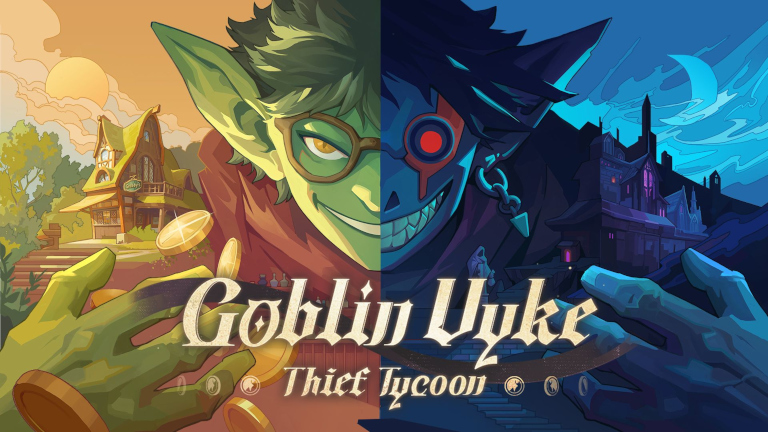
If you’ve ever wondered what would happen if a stealth platformer was fused with a shopkeeping simulator, Goblin Vyke: The Thief Tycoon provides a surprisingly solid answer. It’s a genre mashup that shouldn’t work as well as it does. But more often than not, Thief Tycoon’s gameplay loop is astonishingly engaging.
The Thief Tycoon splits your time between two distinct components. By night, you’ll control Vyke, a nimble, opportunistic goblin navigating a dense, interconnected map that leans heavily into metroidvania design. By day, you’re a small business owner trying to turn his ill-gotten gains into legitimate profit, all while keeping a very real financial threat at bay. The hook is simple: steal, sell, survive. Thankfully, the execution makes things consistently interesting. For better or worse, developer Art Thieves also keeps things deliberately ambiguous, goading you into experimentation.
Crime Pays, and Shopkeeping Helps Even More
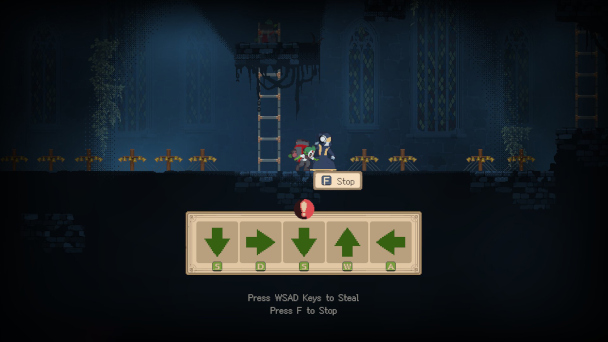
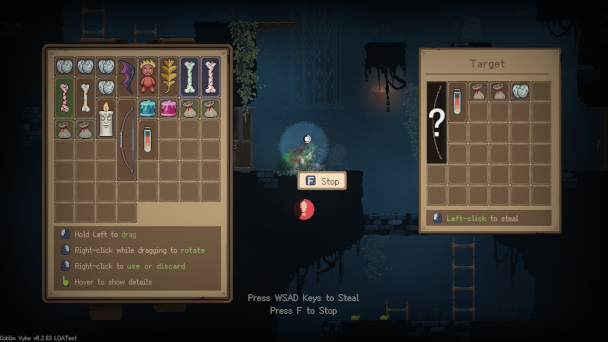
Vyke’s nightime excursions are where the game first hooks you. Movement is responsive and deliberate, encouraging caution and attentiveness rather than reckless speed. Vyke isn’t a fighter; he’s an elusive scavenger. As such, you’ll spend most of your time sneaking past enemies, studying patrol routes, and making use of the environmental elements. Elevators race between floors, traps punish inattentiveness, and hidden routes reward curiosity. There’s a satisfaction in slipping past danger, lifting valuables, and making a clean escape before things spiral out of control and you have a team of skeletons searching for your ass.
What elevates this component beyond your standard stealth fare is the feeling of pure opportunism. You’re not just avoiding enemies but often exploiting them. Corpses can be stripped, distracted foes can be pickpocketed, and occasionally you’ll encounter wandering adventurers who present a different kind of opportunity: negotiation. Whether you talk your way into a deal or simply relieve them of their belongings, the game constantly nudges you to think like a thief rather than a slice of beefcake.
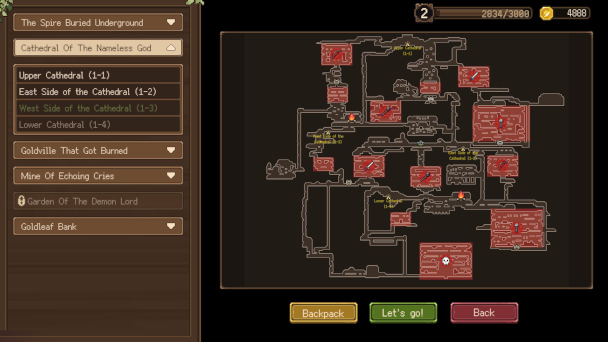
The game’s metroidvania structure helps to support this design approach. Progression isn’t just about unlocking new abilities; it’s about gaining better access to high-value areas and learning how to skulk through them efficiently. Shortcuts, hidden caches, and respawning loot ensure that each run feels profitable, even if you’re revisiting familiar territory. There’s always the temptation to push a little further, grab one more item, or take a bigger risk for a better payout. And really, the only think restraining the length of each run is the amount of space in your backpack, and even that can be upgraded several times.
Think Like a Thief and Franchise
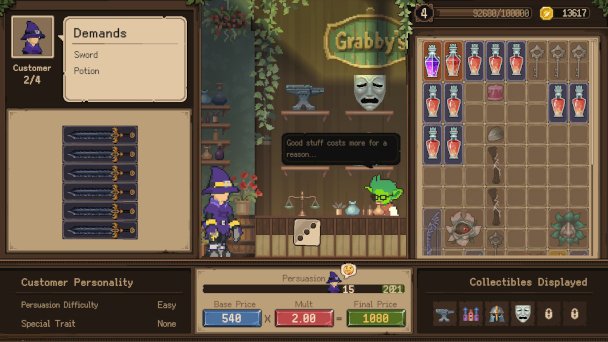
The risk-reward tensions feeds directly into the game’s daytime hours, which is more than a cooldown between heists. Running Vyke’s shop is a fully realized system in its own right. You’re not just dumping inventory, you’re managing supply, demand, and customer expectations. Regular clientele will come in with specific requests, forcing you to think ahead about what to steal and when. Haggling adds a light but engaging layer of strategy, turning each transaction into a small negotiation that channels the thrill of blackjack. You’ll boast to boast prices, but too much praise punishes you with the equivalent of a bust.
As your operation grows, so do your responsibilities. You can hire employees to handle tasks, send them into the dungeon for additional loot, and eventually expand into franchising your business. It’s here that the tycoon aspect of the game starts to shine. There’s a genuine sense of progression as your slightly shady storefront evolves into a more sophisticated enterprise. Watching your profits climb, especially after a successful night of high-risk thievery, creating a satisfying loop that kept pulling me back in.
A Balanced Life of Crime and Retail Sales
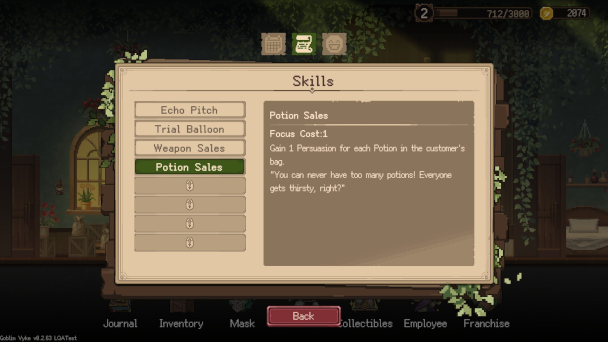
The best thing about the dual structure approach is just how cohesive it feels. Any success in the dungeon will impact your shop inventory, while good salesmanship lets you buy perks like double-jumping and faster evasion speed that are helpful in the dungeons. Unexpectedly, if you neglect one side of things, it can disrupt the balance of your plan. But play it too safe and you won’t be able to provide the regular payments to the loan shark with a deed for your Dad’s store. The balance isn’t punishing, but it’s present, encouraging smarter decisions.
The other seller quality is the playful dialog. Sure, there’s some repeating requests from some of the NPCs, but there’s also quite a bit of fun in the script, with Vyke able to push back at High Elf racists. But identify is one aspect of The Thief Tycoon, with customers all having their own quirks, charms, and eccentricities, making me want to see more of the world outside the store and dungeon.
Renewing Your Goblin Pro Membership
That said, the experience isn’t without its rough edges. The user interface can occasionally feel intuitive. If there’s a place that lists NPC requests, I overlooked it. And while there’s an indicator that signals you don’t have enough cash to make the next loan payment, the game’s calendar doesn’t give a clear indication of how much the next shakedown will be. There are some blips, but no actual explanation. Likewise, you’ll have to figure out many of the intricacies of running a shop for yourself. You a while I didn’t know that the candle-looking icons could upgrade a weapon. For even longer, I didn’t know what a bat wing could do. And while you can discard items, if you’re not careful your inventory can fill up with things nobody wants. Yes, The Thief Tycoon can feel like running a GameStop location.
Enemy behavior also has its quirks. While stealth generally works well, there are moments when AI reactions feel inconsistent. Some enemies are sharp and responsive; others seem oddly oblivious. In other instances, when I lured guards away from their routes, their situational awareness broke. Fortunately, these moments are infrequent and they’re counterblanced by details like stealing a guard’s weapons and watching them flounder about in a state of confusion.
The Business is Stealing and Business is Good
Despite several small issues, the game’s strengths kept brings me back to a life of crime. The blend of stealth action and economic management isn’t a novelty, but a engaging gameplay loop that kept pushing me into the next day-night cycle, eager to pay off my deby and show that annoying loan shark to take a stealthy goblin seriously. In the end, Goblin Vyke: The Thief Tycoon turns petty larceny into a pretty business model that’s hard to walk away from once it gets its hooks in.
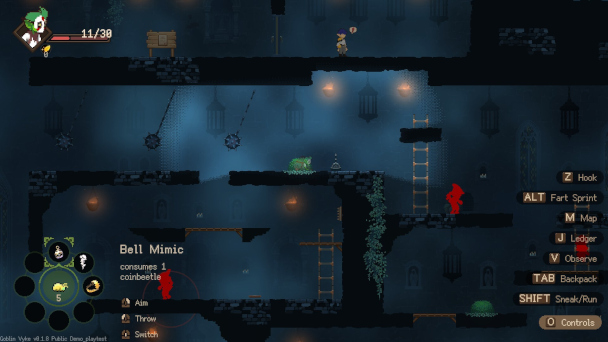
Goblin Vyke: The Thief Tycoon was played on PC with review code provided by the publisher
Overview
GAMEPLAY - 80%
CONTROLS - 75%
CONTENT - 80%
AESTHETICS - 75%
ACCESSIBILITY - 80%
VALUE - 85%
79%
GOOD!
Goblin Vyke: The Thief Tycoon is a compelling mashup of stealthy dungeon crawling and shop management that somehow turns goblin larceny into an addictive day-night routine. It has a few rough edges and forces you to figure some things out for yourself. But once its loop of stealing, selling, and slowly building your shady little empire clicks, Vyke is hard to put down.