Escape from Ever After review
Once Upon a Bureaucratic Time

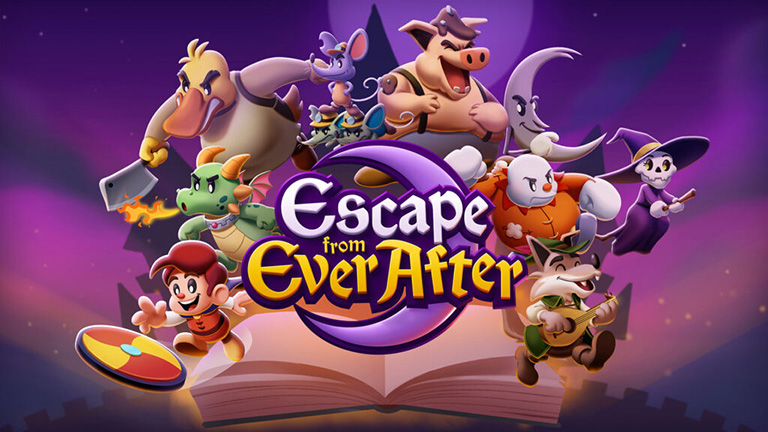
Escape from Ever After opens with a whimsical premise that might hook you from the very start. In this fractured fairy-tale world, happily-ever-afters have been stained by bureaucracy, resentment, and a bit of existential dread. Undoubtedly, it’s an interesting concept, but its first chapter can feel a little too polite for its own good. The opening hour is heavy on tutorials and scene-setting, easing players into its combat systems with an approach that borders on overcautious. You’re here because you played and loved Paper Mario, right?
Thankfully, once that first chapter is out of the way, the game finds its stride. The pacing tightens, combat encounters become more interesting, and the writing injects an ample amount of absurdity. Ever After’s set pieces also reveal more creativity, with side quests becoming more character-driven. Similarly, the game starts layering mechanics instead of merely explaining them, making progress feel more involving. Largely, this is the prototypical slow burn RPG where the momentum builds toward a storyline that’s more interesting than its introduction might suggest.
Subversive Punchlines Rather Than Simple Puns
A large part of that momentum comes from Escape from Ever After’s humor, which is more interested in subversion rather than predicable quips or punchlines. The script isn’t trying to be laugh-out-loud funny every minute. Instead, it embraces irony, fairy-tale satire, and character-based comedy. Jokes often land because of who is speaking rather than what’s being said, and the writing eschews explaining the absurdity of situations, like so many modern scripts do. When the game does go for bigger gags, they’re usually rooted in the incongruence between fairy tale logic and modern cynicism.
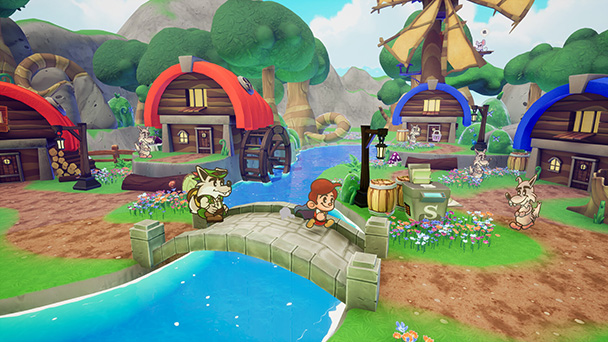
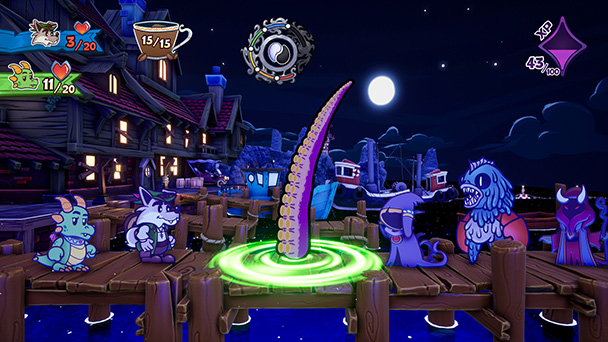
Similarly, there’s quite a bit of humor that emerges from the game’s cast. Flynt, the de facto lead, is an everyman who’s hoping to break free from his role as a stock hero. With his buckler throw, he’s able to hit non-adjacent enemies and well as interact with objects. Tinder initially contrasts with Flynt as an antagonist but given that the magic collar around her neck constraints her flaming abilities, the feisty dragon is forged to rely on her former pursuer.
Who’s Afraid of the Big Bad Break Room Wolf?
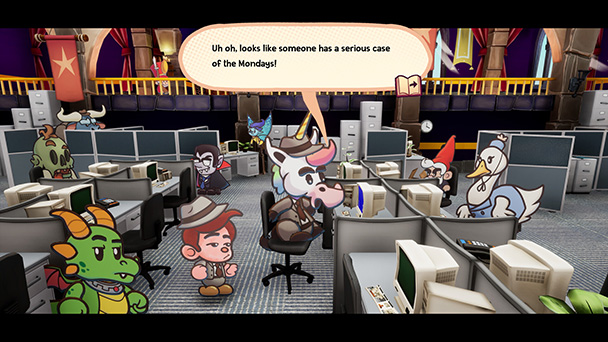
Unsurprisingly, the rest of the ensemble continues to reframe familiar archetypes into unlikely allies and bureaucrats. Wolf, a reformed Big Bad with the vibe of a laid‑back coworker, undermines his own legend with pacifist tendencies and bard‑like support skills, turning this “grandma‑eater” into some sort of “office morale guy.” The skeleton wizard, now stuck in HR, weaponizes policy memos and compliance jargon instead of dark magic, turning meetings and paperwork into jokes about villainous middle management.
Meanwhile, Even Ever After’s executives initially seem to be your standard corporate overlords, gradually reveal insecurities and revel in office politics that make them more pathetic than downright evil. Together, they help flesh out the game’s ensemble‑style flavor, where clashes between traditional fairy‑tale roles and modern work culture complement the appeal of turn-based battles.
Paper Mario, With Some Supplementary Paperwork
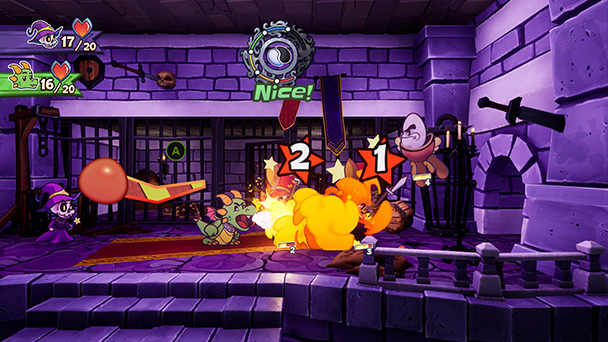
Mechanically, Ever After wears its Paper Mario influences proudly. Combat is turn-based but interactive, relying on timed inputs, positional awareness, and enemy tells to keep battles engaging. Defensive actions feel just as important as offense, and mastering enemy patterns can dramatically reduce incoming damage. While it doesn’t reinvent the wheel, the system is polished and varied, with new abilities and party combinations striving to keep fighting fresh.
Compared with Nintendo’s role-playing franchise, Escape from Ever After feels like a scrappier aspirant rather than a direct challenger. Sure, it borrows the broad template of timed hits and defensive blocks but favors exploration and a bit more puzzling. The result is a combat system that’s just a bit deeper, without stealing the spotlight from the well-driven banter and satirical worldbuilding.

Not Quite a Usurper, But a Worthy Hero
The game’s only real misstep arrives right at the end. After a final act that ramps up tension and stakes, the concluding boss lands with a surprising thud. The encounter is mechanically straightforward and lacks the thematic payoff the narrative seems to be aiming for. It’s not a disastrous finale, but it doesn’t fully leverage the combat systems or character development the adventure so carefully nurtures. Even so, Escape from Ever After is a sharp, self-assured RPG that genuinely gets better the longer you play it. With a weightier final battle, it might have earned its own storybook ending.
Escape from Ever After was played on PC with review code provided by the publisher.
Overview
GAMEPLAY - 85%
CONTROLS - 80%
CONTENT - 85%
AESTHETICS - 80%
PERFORMANCE - 80%
VALUE - 85%
83%
VERY GOOD
Escape from Ever After takes a cautious first step, then steadily turns into a witty, character-rich RPG that knows how to have fun with fairy-tale tropes and turn-based combat. The last boss may lack punch, but the journey’s humor and combat variety make it an expedition worth taking.