Throwing Hands with Yakuza Kiwami 3 & Dark Ties
SEGA’s Revamp Plays Well, Looks Great and Offers NAOMI and Game Gear Throwbacks

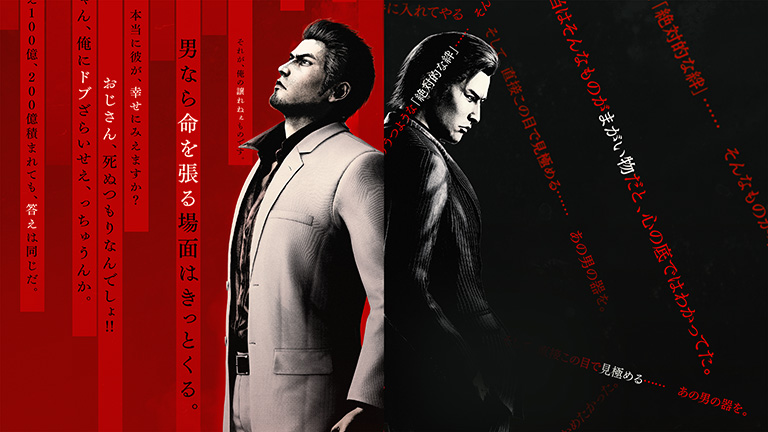
Yakuza Kiwami 3 & Dark Ties isn’t an unessential reissue of the 2009 PlayStation 3 title. Instead, it turns one of the series’ most divisive chapter into a sharper, darker clash between two men with contrasting ideas of family and loyalty. After spending a few hours with playing both parts of this February 11th release at a SEGA event in Los Angeles, it is clear that Ryu Ga Gotoku Studio intends this as a thoroughly modern reinterpretation of Kazuma Kiryu’s sun‑soaked Okinawa chapter and its bloody Tojo Clan fallout. Meanwhile, Yoshitaka Mine’s backstory ensure that franchise fans can look forward to some pulpy new exposition.
Additional Story at Morning Glory
The demo opens by re-establishing where Yakuza 3 sits in the broader Like a Dragon saga. Kiryu has stepped away from the Tojo Clan and is running an orphanage on Okinawa’s tranquil coast, trying to build a peaceful life after years as the Dragon of Dojima. This calmer premise becomes the launching point for the franchise’s archetypal mix of melodrama and absurdity. Expectedly, land disputes, clan politics, and old enemies will inevitably drag Kiryu back into the criminal world.
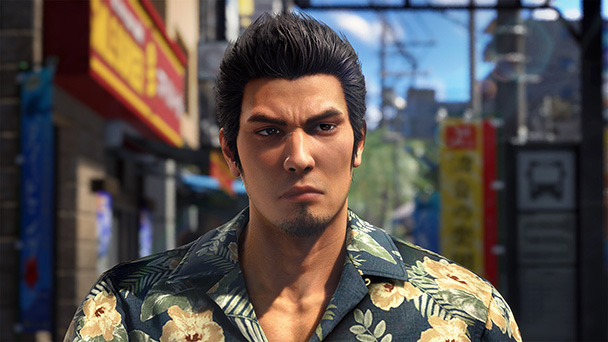
But not before a bit of entrancing playfulness. Here, Kiryu dispenses plenty of optimism for the kids before tackling amusing mini-games that will test your scientific knowledge, virtual sewing abilities, and having you cooking up curry for the kids. Expectedly, each of these diversions is entertaining enough to divert you from the allure of tense back-alley brawl. Best of all, Yakuza Kiwami 3’s improved cinematography and stages helped bring these sequences to life. Expectedly, the ingredients, some of which were grown in the orphanage’s garden looked good enough to eat.
Kiwami Means “Extreme”, Aptly Describing This Remake
From the first cutscene, Yakuza Kiwami 3 feels like a comprehensive rebuild rather than an up-scaled PlayStation 3 port. Character models have been fully redone with modern facial capture, giving Kiryu, Rikiya, and the rest of the cast far more expressive performances during confrontations and quiet conversations alike. Pause during an exchange of dialog and you’ll witness characters, breath, blink, and gently swap.
The user interface, combat, and camera work have all been unified in more recent entries, smoothing out the pacing of the original without losing the franchise’s heroic bloodshed vibes. Pleasingly, story beats are tweaked and expanded, with new dialogue and re-framed scenes that better explain character motivations and a bit of clarity to key character decisions.
A Restful Retreat from Tojo Clan Troubles
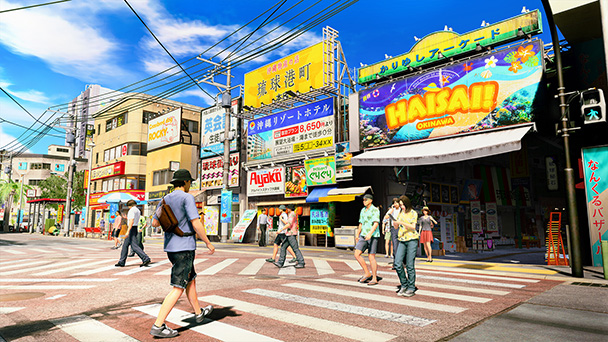
Likely, the most immediate change is how Okinawa itself feels to walk around. Streets that were once wide and sparse are now more tightly designed, with side alleys, denser crowds, and that make exploring the town feel closer to Kamurocho at its best. Side content flows more naturally from Kiryu’s daily routine at the orphanage into the surrounding neighborhoods, and I had to control myself from chasing butterflies, then capturing the information via environmental access boxes to obtain some rewards for the orphanage.
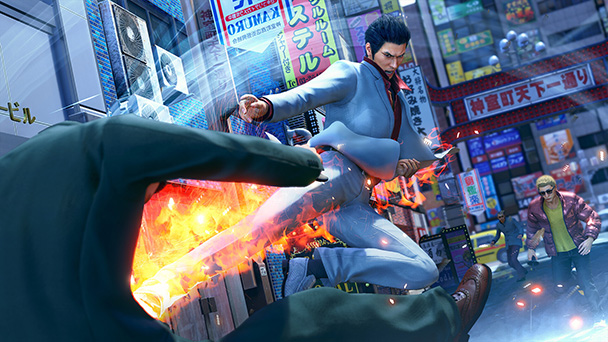
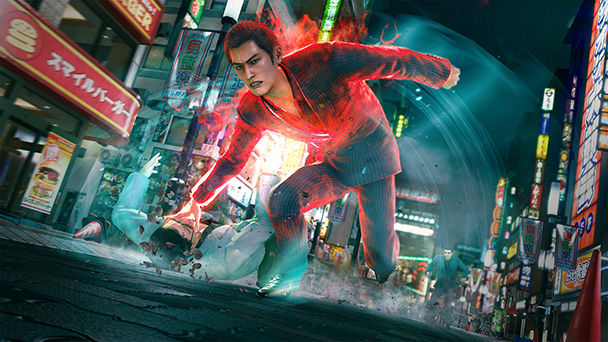
Likewise, combat has been reworked into a snappier, more responsive system with clear hit-stop, better crowd control options, and augmented upgrade paths that encourage experimenting with heat moves and weapons. Best of all, besides the occasionally outlier, elevated enemies weren’t so reliant on blocking.
Kiryu 2.0, Kissing More Ass Than Ever
The demo also showed several new elements that did not exist in the original release. Kiryu has access to additional combat styles and a more flexible progression system, letting you specialize in crowd management, quick counters, or brutal finishers.
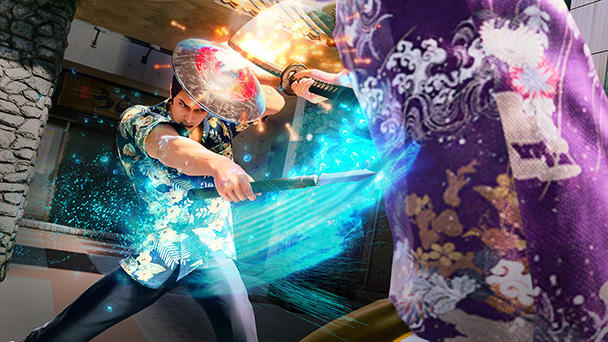
A new team battle-style mode built around a girl biker gang gives you a sandbox to assess builds and assemble a crew, adding a light management layer that fits the series’ fondness for amusing side hustles. Mini-games and substories have been modernized as well, with smoother controls and some brand-new scenarios that lean into Okinawa’s local flavor and manic dad energy.
Setting up Dark Ties
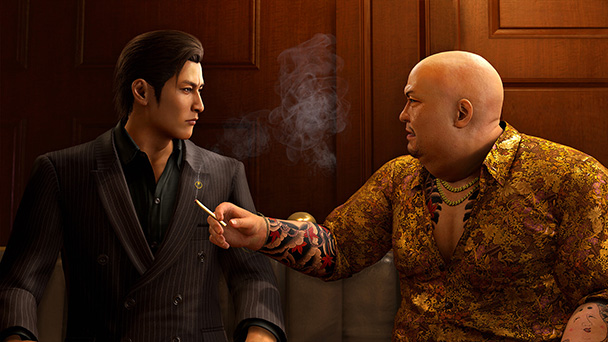
Dark Ties, the companion game that’s bundled with Kiwami 3 shares the main menu alongside the remake. This seems to indicate that it is a full-length story that runs parallel to Kiryu’s adventure, instead of being a succinct epilogue. But after about an hour in one rather spacious urban sandbox, and I couldn’t confirm the size or scope of Dark Ties. What I can say is that it delivers new cutscenes, locations, and some mechanics built around its lead. I spend the bulk of my time helping to build the reputation of Tsuyoshi Kanda, The Raging Bull of the Tojo through Damage Control and Good Deed side missions. Largely, they felt like the typically undertakings of a Yakuza game. I just hope there’s a strong narrative buildup for Yoshitaka Mine.
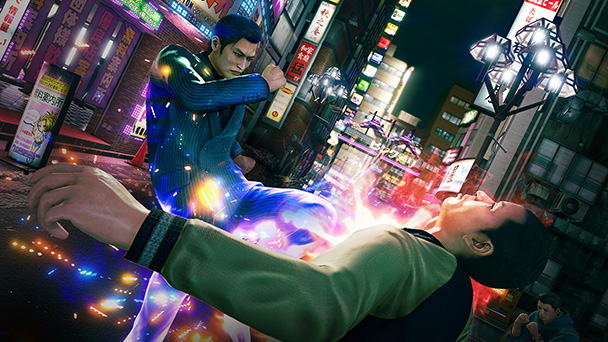
In combat, Mine immediately feels like the mechanical opposite of Kiryu’s heavy brawler style. His moveset leans on slick shoot boxing strings, quick dodges, and vicious grapples, often darting in and out rather than anchoring himself in the middle of a mob. A unique “Dark Awakening” system replaces Kiryu’s traditional heat surges, represented as chained hearts that fill as you pile on damage and well-timed combos. Triggering Dark Awakening unlocks a more explosive stance with brutal finishers and enhanced mobility, rewarding aggressive play and making climactic fights feel like emotional eruptions.
Playing as an Ice Cold Businessman
In combat, Mine immediately feels like the mechanical opposite of Kiryu’s heavy brawler style. His moveset leans on slick boxing strings, quick dodges, and vicious grapples, with a focus on darting in and out rather than anchoring himself in the middle of a mob. A unique “Dark Awakening” system replaces Kiryu’s traditional heat surges, represented as chained hearts that fill as you pile on damage and well-timed combos. Triggering Dark Awakening unlocks a more feral, explosive stance with brutal finishers and enhanced mobility, rewarding aggressive play and making climactic fights feel like emotional outbursts from a man usually defined by his icy composure.
The most delightful surprise, though, comes from SEGA’s decision to formally incorporate a selection of NAOMI arcade and Game Gear titles within the in-game Club SEGA hubs. Obscure (at least in the west) NAOMI titles like Emergency Call Ambulance, SlashOut, and Magical Truck Adventure. Meanwhile, I spotted Game Gears in the upstairs Aqua Sky and in Mine’s office. Each had ten games that ranged from Mappy, Woody Pop, Shinobi, Puyo Puyo, Pac-Man, and Fantasy Zone. Best of all, the quality of the emulation was spot-on, offering players a choice of difficulty settings before starting each coin-op.
Revealing Mine’s Layers
The most exciting thing about Dark Ties is how it recons Yakuza 3’s antagonist while offering a fresh spin on the series’ fixation with loyalty and chosen family. Spending hours inside Mine’s head should elevate the eventual collision between the two characters, broadening their ideological differences. For returning players, this pulpy addition looks to make familiar story beats land harder. Taken together, Kiwami 3 & Dark Ties feel less like a nostalgic touch-up and more like a seasoned second draft of one of the series’ most contentious entries, elevated by hindsight and modern technologies.



Hell yeah, brother!
I’ll be with you on 2/11! Yakuza release days should be mandatory days off.
Full list of arcade cabinets in the game, please!
How bad is KKiryu’s English dub?
Just like Yong Yea’s usual work. Awful. I don’t know why SEGA hired him.
How many hours is Dark Ties supposed to be?
I’d throw hands just to play this early. Can’t wait for Dark Ties. I need some real time Yakuza fights in my life right now.
Really having a hard time supporting SEGA’s continued decision to delist the old versions.