Temirana: The Lucky Princess and the Tragic Knights review
Politics, Love, and Outsiders in an Otome Kingdom

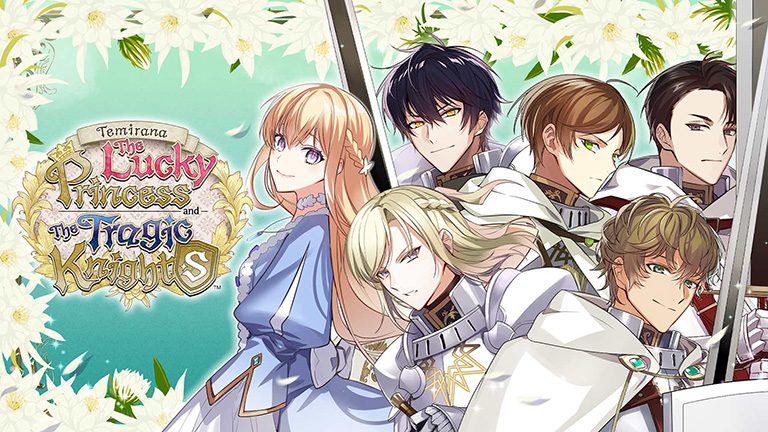
Temirana: The Lucky Princess and the Tragic Knights blends politics, belief, and personal struggle into an otome story that’s engaging and sporadically, surprisingly funny. Cleverly, it uses some of these heavier themes as texture rather than the main focus, rarely losing sight of character-driven storytelling.
Courtly Intrigue, with a Bit of Humor
Cecilia, known as the kingdom’s “cursed princess,” carries the Light of Good Fortune, a power that both protects and isolates her. This ability warns of danger but also marks her as different, leading to years of rejection by her own family.
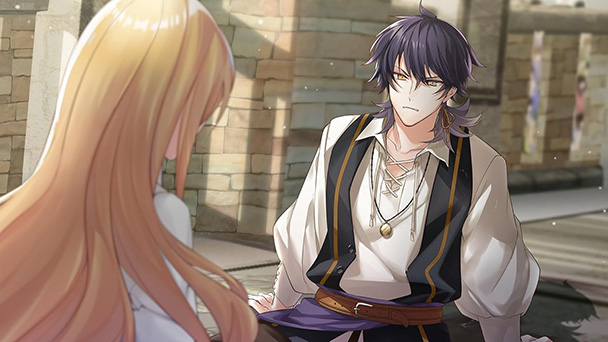
That tension between blessing and curse sets an appealing tone for a story about personal resilience as well as the weight that often accompanies a mystical ability. Intriguingly, the Light functions as both tool and a metaphor. It’s a reminder that the difference between fortune and influence often depends on perception. And while I thoroughly enjoyed the novel’s relational elements, what stuck with me most is seeing Termirana from a multitude of different point-of-views.
Five Outsider Knights, One Particularly Frail One
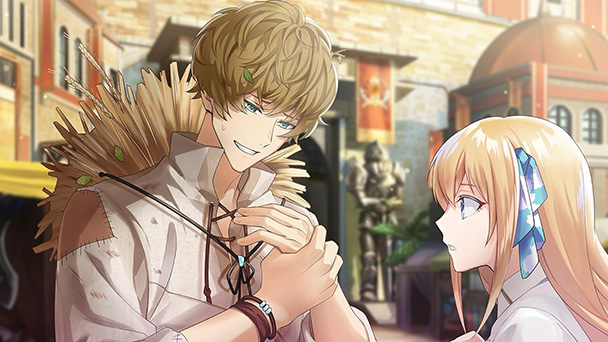
The five knights at Cecilia’s side bring the world’s social divergence into focus. Each route uses their backgrounds to explore notions of power, identity, and belonging. A dethroned prince searches for purpose without status while a frail noble learns that strength includes vulnerability. An amnesiac orphan rebuilds himself self from fragments of memory.
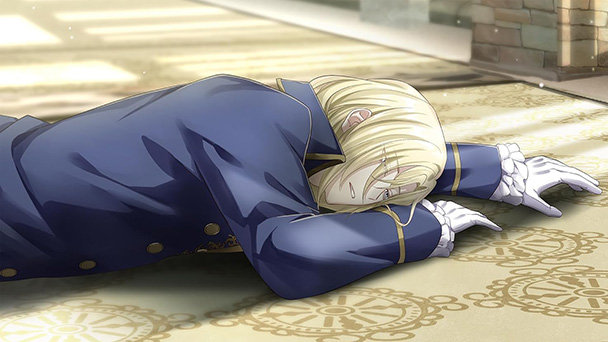
Captivatingly, a farmer-turned-knight provides the story with a reminder of the beauty of perseverance, while a blacksmith’s redemption story is rooted in loyalty. Together, the novel’s routes create a portrait of outsiders who redefine duty. And here, love or support can break through the rigid confines of a caste system.
A Kingdom Seen from the Margins
Temirana distinguishes itself from its VN peers through an attention to political and class dynamics. Lineage, social hierarchy, and royal custom shape Tragic Knights’ relationships, providing some fascinating nuance to the romancing. Romanic or not, Cecilia’s personal choices have importance with story repeatedly asking how much freedom she truly has as both princess and woman.
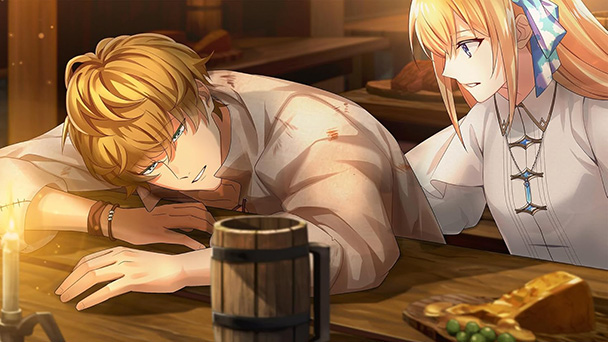
When romance grows in Temirana, elements like trust, cooperation, and mutual admiration take precedence over silly spectacle. Here, relationships are built through shared challenges rather than hot-and-heavy passions. The result is a set of routes that feel moving and accurate, with slow-burn storytelling delivering payoffs. That said, there are a few slow sections across the game’s routes, but developer ichicolumn should be commended for injecting frequent humor and at least tweaking most of the game’s archetypes.
But what truly elevates Temirana is how its themes and gameplay systems mirror each other. The Light of Good Fortune and its consequences emphasize the story’s concerns about leadership, agency, and moral choice. This thoughtful integration, combined with its approach to love and politics, gives the game narrative complexity that transcends simple wish fulfillment. Readers drawn to complex character arcs, social commentary, and immersive worldbuilding should find much to appreciate here.
Human Connection Inside an Unforgiving Hierarchy
Temirana: The Lucky Princess and the Tragic Knights delivers a shrewd balance of intrigue, social reflection, and emotional growth. Cecilia’s journey from cursed outcast to empathetic leader ties each route together. Best of all, Tragic Knights reminds us that even amid tragedy, the depiction of human connection within strict systems of power remains resonant.
Temirana: The Lucky Princess and the Tragic Knights was
played on Switch with review code provided by the publisher.
Overview
STORY - 85%
INTERFACE - 75%
AESTHETICS - 80%
ACCESSIBILITY - 80%
VALUE - 80%
80%
GOOD
Temirana: The Lucky Princess and the Tragic Knights mixes courtly politics and class tension with otome romance. Its slow-burn relationships and outsider perspectives provide the kingdom with a lived-in feel, that help make this visual novel moving.


Good review. Thanks for that!
Sounds cool. But I’ll only buy its on on physical.