The Nameless: Slay Dragon review
Tabletop Spirit But in Digital Form

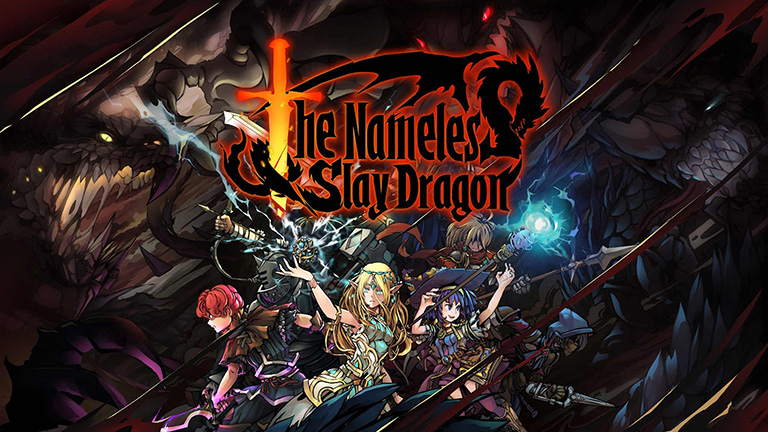
With an emphasis on open-ended character development, choice-driven storytelling, and movement across an overworld map, The Nameless: Slay Dragon feels far more like a classic tabletop experience than a contemporary role-playing game. Instead of elaborately rendered cinematics, most of Nameless’ action is conveyed narratively, mimicking the skilled storytelling of a veteran dungeon master.
Although the game’s modest visual style might disappoint those accustomed to big budget, motion-capped fantasy, the design decision is a reminder of the power of imagination and how liberating non-linear progress can feel. For those unable to assemble a group of friends around a table, Slay Dragon comes very close to recreating the delights of a pen-and-paper adventure.
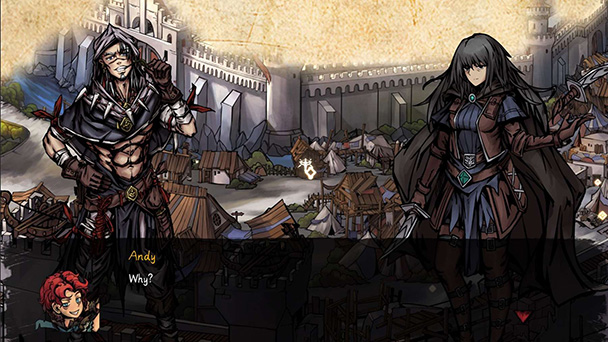
Building a Hero, One Trait at a Time
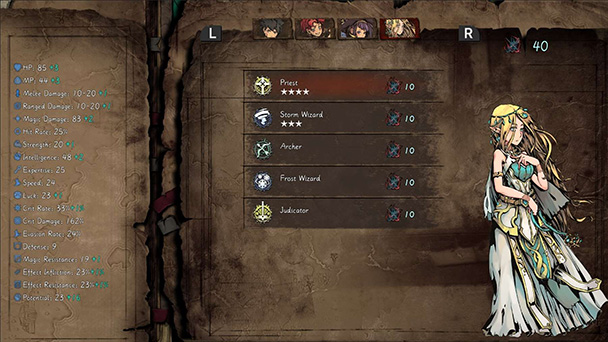
Agreeably, Slay Dragon offers a wealth of customization options, that start with selecting a character background, starting stats, and class options. You’ll initially select from several archetypes, such as Adventurer, Dark Knight, Oracle, and Magus. Expectedly, these classes all have their own unique stat boosts and abilities, mirroring the way tabletop games allow specialization. In all, over twenty classes unlock as the game progresses. But adeptly, characters gain distinction through leveling, trait points, and acquired skills. While you can concentrate on one area, Slay Dragon provides plenty of autonomy as well.
Customization is broadened with the Trait Point system, letting you augment skills like tenacity, crafting success, and combat growth rates that persist throughout Nameless’ campaign. Additionally, the game’s Spark system brings powerful modifiers to learned abilities, much like Materia in Final Fantasy VII, letting you add elemental affinities, status effects, or grant extra skill uses. Adeptly, this approach encourages experimentation, allowing synergy as your team gradually grows into a quartet.
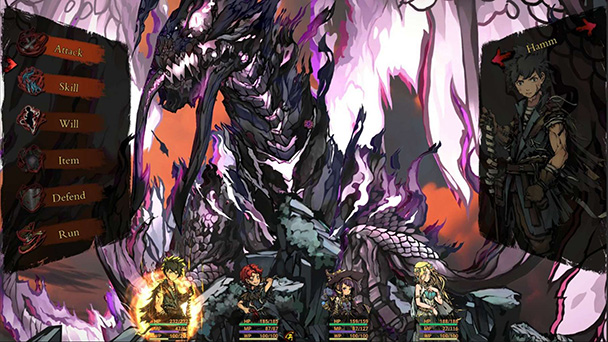
Companions With Provocations, Not Just Stats
Early progression feels intentionally challenging, with your character feeling vulnerable and relying on a job system to grow stronger. Early on, economic survival is just as hard as physical endurance. But as characters level up, their options for traits and skills grow, offering new strategies for dealing with increasingly tough dragon adversaries. Best of all, your passive stats continually grow, expressing a gratifying sense of progression. The game’s crafting system adds another strategic layer. Here, you’ll gather material and forge equipment to survive, embodying the planning and risk-reward dice rolls of tabletop play.
The game’s storyline follows an unidentified protagonist whose life is devastated after a dragon attack decimates their village. Driven by vengeance, the protagonist journeys through a devastated landscape toward LastGuard. Although you’re free to wander the dangerous plains, adversity will eventually lure you inside the refuge’s walls, where knights might divulge their dragon-slaying knowledge. Along the way, a rag-tag crew with a thief, mage, and cleric take shape, with each member having their own motives for joining. Skillfully, the storyline skillfully shifts between moments of despair and hope, courtesy of a localization that only has a few typos.
A Mostly Competant Switch Port
Slay Dragon’s audio is adept, even without the benefit of spoken dialog. Routinely, sound effects highlight each narrative event and combat encounter, delivering an engaging atmosphere. Visually, character portraits and some environments can look impressive, but menus and the overworld maps can be a bit bland and animation is limited. Unfortunately, the Switch port has fonts that are small enough to induce eye strain when playing in handheld mode. Why is that still happening eight years after the system’s launch?
With its narrative-driven gameplay, multitude of customization options, and non-linear exploration, The Nameless: Slay Dragon effectively channels the spirit of a tabletop role-playing game. While its modest presentation and early difficulty spikes may deter some, the game rewards persistence and smart decisions. By offering freedom of choice, layered mechanics like Trait Points and Sparks, and an evocative atmosphere, Slay Dragon is an ideal for those fatigued by conventional console RPGs.
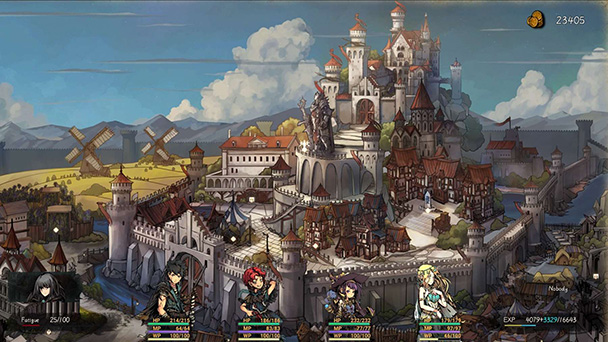
The Nameless: Slay Dragon was played on Switch with review code provided by the publisher.
Overview
GAMEPLAY - 80%
STORYTELLING - 80%
CONTENT - 75%
AESTHETICS - 75%
ACCESSIBILITY - 70%
VALUE - 75%
76%
GOOD
Slay Dragon feels like playing a tabletop campaign, with all the freedom and engrossing storytelling that comes with it. While the visuals can be a bit plain, the customization and progression make The Nameless a surprisingly deep and rewarding adventure.



Art looks cool. Is it just battle animations that are lacking?