Space Adventure Cobra – The Awakening review
A Great Manga Becomes a Mediocre Game

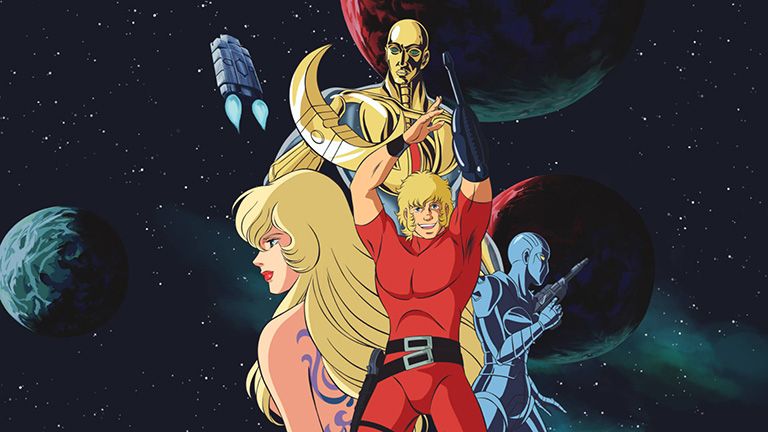
Thanks to its pulpy blend of space opera and spy thriller, Cobra has enjoyed a cult following since its 1978 debut. Buichi Terasawa’s manga has spawned sequels, an animated series, and even a theatrical film. Naturally, the property has enjoyed several interactive adaptations, such as a pair of PC-Engine titles, and even a Snatcher-esque SEGA CD title that was released in North America as The Space Adventure.
But arguably, Cobra’s biggest influence was the protagonist’s Psychogun, a mind-controlled energy cannon mounted on his left arm. From Metroid to Mega Man, Terasawa’s concept for a bionic appendage has had an extensive effect on gaming.
The Psychogun Still Packs a Punch
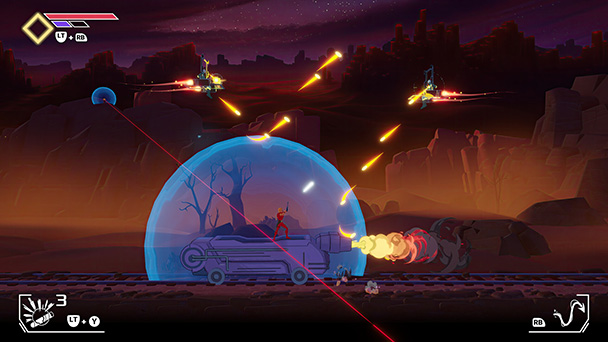
Expectedly, the Psychogun is a principal mechanic that drives the action in Magic Pockets’ Space Adventure Cobra – The Awakening. Unlike the generic weapons found in many sci-fi shooters, Cobra’s arm cannon is an iconic device that feels like a true extension of the character.
Within minutes of first loading up The Awakening, Cobra clings to the belly of a battleship, using the cannon to gun down opposition. Undoubtedly, there’s satisfaction in aiming, as you charge a blast of golden energy capable of piercing though a line of enemies. Pleasingly, you’ll feel more like a cosmic gunslinger than just another grunt who fills the screen with projectiles, hoping to land a few hits. Cobra is not Contra.
Yet over time, there’s an overreliance on the Psychogun. Other weapons like Cobra’s Colt Python 77 can be used to pierce shields, while a melee feels like an afterthought, overshadowed by the might of your main cannon. Occasionally, Magic Pockets mixes things up with a guided shot that can target multiple around corners or a procession of bad guys. But directing your shot can feel a bit unwieldly.
When Style Outshines Substance
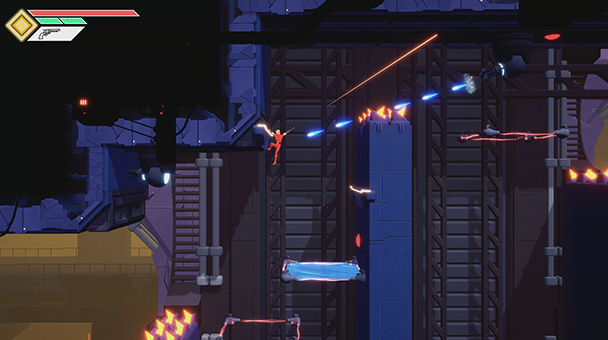
And controls are an overarching issue across The Awakening. Moving Cobra across alien landscapes has a weightless quality that doesn’t convey the protagonist’s trademark swagger. Although platforming sequences aren’t as plentiful as combat, they can feel like thankless tests of patience rather than precision. Worse, enemies tend to be bullet sponges and your dash doesn’t seem to provide enough frames of invulnerability. Undoubtedly, the presence of frequent checkpoints reveals that the developers were aware of imbalance. But even with these aids, progress can feel like a chore.
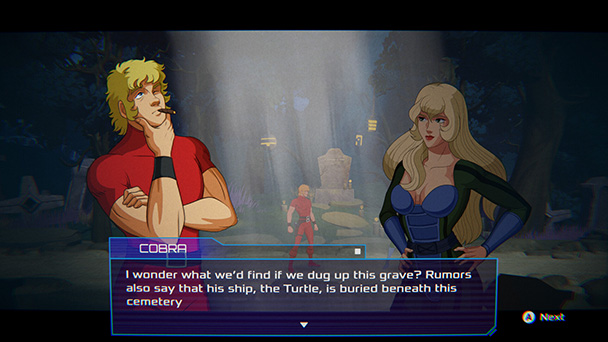
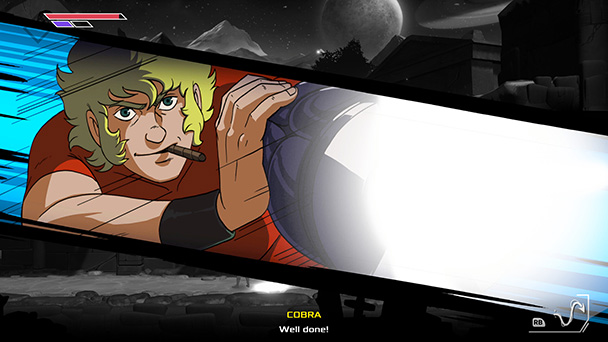
In contrast, cinematics taken from the anime are one of the game’s best elements, demonstrating an appreciation for the source material. Remarkably, The Awakening delivers a faithful summarization of the first twelve episodes of TMS Entertainment’s animated series. From Cobra’s familiar smirk, Lady Armaroid’s stoic presence, and a cast of colorful villains, Space Adventure Cobra captures the playfulness of Terasawa’s source material. For fans, this might even offset any problems with the game’s mechanics.
The Perpetually Precise Pirate Misses the Mark
Unfortunately, The Awakening struggles to bridge its cinematic highs with moment-to-moment gameplay. The transitions from devotedly animated cutscenes to doll-like articulation, revealing a jarring disparity in visual quality. Watching Cobra deliver a cool quip line or blast through a starship hull in a pre-rendered sequence sets expectations high. But when control is handled to the player, there’s a conspicuous dissonance between presentation and execution. As such, it’s evident that Magic Pockets knows what makes Cobra iconic but struggles with recreating that into interactive form.
Space Adventure Cobra – The Awakening was played
on PC with review code provided by the publisher.
Overview
GAMEPLAY - 50%
STORYTELLING - 80%
CONTENT - 70%
AESTHETICS - 75%
ACCESSIBILITY - 60%
VALUE - 35%
62%
MEDIOCRE
Space Adventure Cobra – The Awakening nails the look and swagger of Buichi Terasawa’s cult classic with slick anime cutscenes and a faithful retelling of the early series. Unfortunately, once control is handed over, clunky movement and overreliance on the Psychogun drag the adventure down.




Seems like most scores are 70 and below. I tend to like games that score like that with critics but maybe becuase I get them on sale.