Moros Protocol review
A Scrappy Shooter with Roguelike Randomization


The first-person roguelike genre is rather abundant on Steam, with titles like Roboquest, Gunfire Reborn, Deadlink, and BPM: Bullets Per Minute blending gunplay with the unpredictability of procedural generation. Pixel Reign’s Moros Protocol enters this competitive area with style, mixing room-based showdowns, chunky sci-fi visuals, and roguelike progression. The small Athens-based team might not offer much innovation, but there’s enough atmosphere and pulpy action to warrant a few runs.
You play as Alex, a survivor abord the derelict battleship Orpheus, which is now aimlessly drifting across space. With no memory of any previous events, indication of what happened to the rest of the crew, or how the ship became infested by a scourge known as Darkphage, questions abound. Answers arrive via fragments. Basic guidance is offered by an AI companion, with additional exposition arriving through exploration. But wisely, Pixel Reign keeps favors play over plot, allowing you to quickly dive into battle.
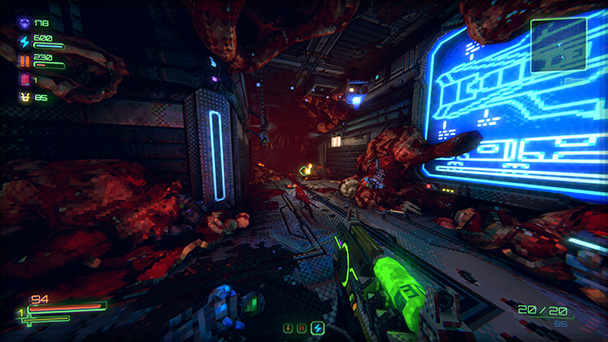
Turning Darkphage into Piles of Pixelated Viscera
Undoubtedly, combat is one of Moros Protocol’s strength. Encounters are fast, frantic, and unforgiving, demanding quick reflexes and resourceful weapon use. Your arsenal is varied, ranging from brutal shotguns to inventive energy-based firearms, with each weapon having a specific use-case.
Enemy patterns often force players into adapting. A swarm of smaller creatures can push you into close-quarters anxiety, as you melee them to replenish your rather scarce ammo supplies. Larger foes and bosses demand careful positioning, with the latter compelling you to identify their weak points. Although some weapons outshine others and a handful of enemies recycle too often, fights are fun and gratifying, channeling the intensity of retro boomer shooters.
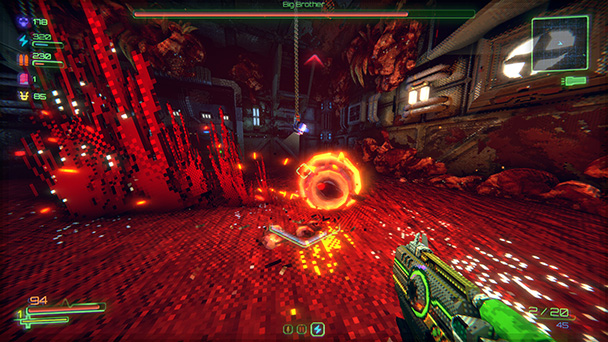
Ammo by Melee, Anxiety from Darkness
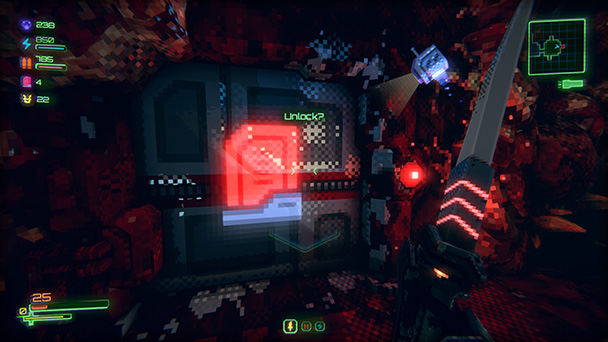
Combat is bolsters by the game’s procedural generated layouts, that keep early runs unpredictable. Like many roguelikes, you’ll weigh risk against reward. Everything from challenge rooms to new weapon rooms promise upgrades at the risk of facing a premature end. That said, after several runs, visual repetition sets in. The same metallic corridors and dim lighting can make areas blur together, slightly diluting the sense of dread as you persevere. And the latter can be an issue when playing on portable PCs like Steam Deck or ROG Ally. When playing in well-lit surroundings, I had a difficult time navigating through the Orpheus.
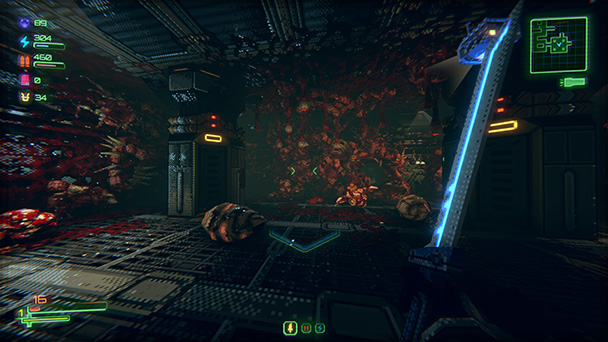
Progression for the Patient
Any respectable roguelike needs a rewarding progression system. Expectedly, death in Protocol resets your immediate progressing allowing you to use resources to unlock permanent upgrades. Here, the conventional augments are all accounted for, providing everything from additional health, improved offensive power, to stronger starting weapons, that help offset the sting of failure. But like many roguelikes, Moros Protocol is stingy, offering one or two percent boosts that are barely noticeable in subsequent runs.
As with many of its peers, repetition soon emerges. The familiar cycle of dying, upgrading, and trying again is part of the appeal for the genre, but Moros Protocol neglects mid-game variety. Once key upgrades are unlocked, the structure begins to plateau, so longevity will be dependent on how much you like the core combat loop. That said, the foundations are solid enough that future patches or could broaden the enemy roster and environmental diversity, giving Protocol more longevity.
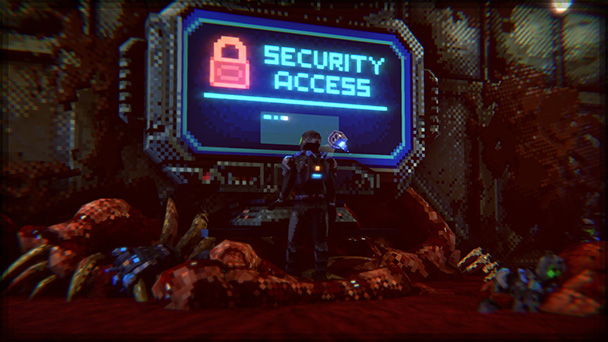
Atmosphere, Action, and Repetition Intersect
Moros Protocol delivers an absorbing take on first-person, roguelike formula. With its moody atmosphere, punchy combat, and delightfully retro visuals, it’s a worthwhile addition to the genre. While it doesn’t entirely escape the pitfalls of repetition and exhibits a few balancing issues, it’s a worthwhile addition to the genre. If you’re looking for an engaging shooter with a bit of randomization that runs solidly on portable PCs, Gunfire Reborn is still king. But Protocol is a scrappy contender that’s best that many of its brethren.
Moros Protocol was played on PC with review code provided by the publisher.
Overview
GAMEPLAY - 75%
CONTROLS - 70%
CONTENT - 65%
AESTHETICS - 75%
ACCESSIBILITY - 75%
VALUE - 65%
71%
GOOD
Moros Protocol doesn’t deliver much innovation to the roguelike FPS genre. But its sharp action and moody atmosphere make it easy to sink into for a few runs. It stumbles with repetition and stingy upgrades, yet still earns its stripes as a scrappy, satisfying shooter.





So no discount for the Steam Autumn sale? 🙁