Dragon Spira review
A Board Game Inside an RPG?

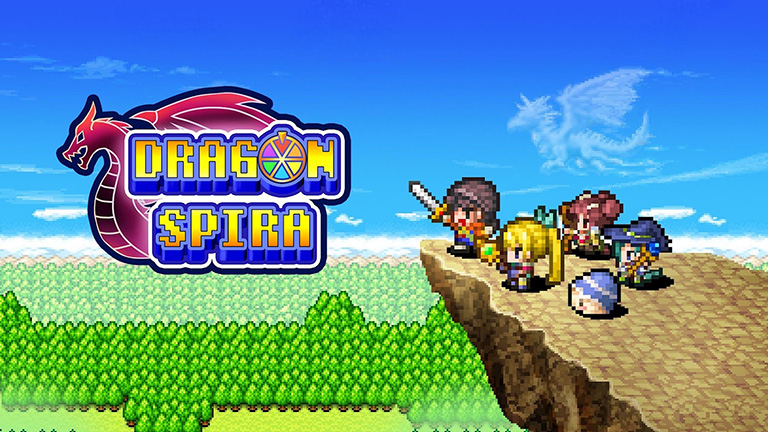
Hiroshima-based KEMCO has earned a place among role playing’s most prolific publishers. With a back-catalog spanning both decades and platforms, the company has built a legacy around delivering traditional RPG experiences.
But rather than developing its games in-house, KEMCO operates as a publisher that partners with smaller studios such as EXE-Create, Hit-Point, and Rideon to sustain its unrelenting release schedule. This collaborative production model has led to a recognizable approach that often revisits turn-based combat, nostalgic sprite-art, and reliable but rarely ambitious gameplay. Given this method, KEMCO routinely draws criticism for their conservative design practices and modest presentations.
Reliable, Not Revolutionary
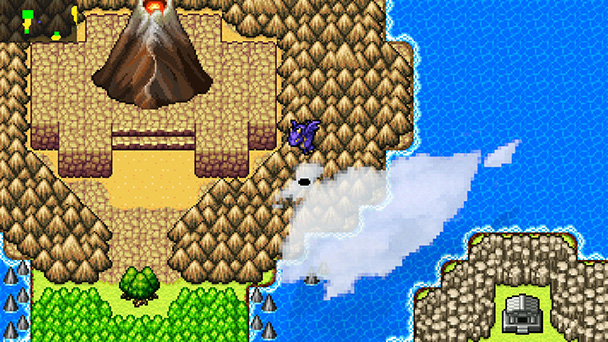
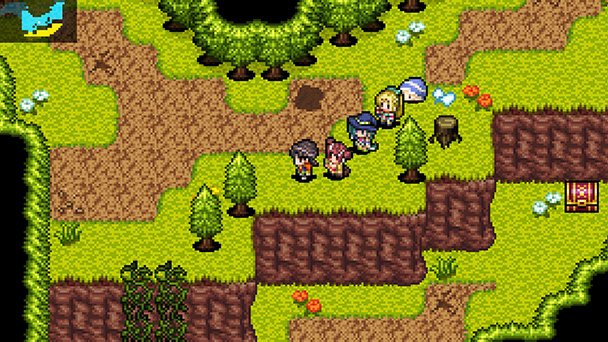
EXE- Create’s Dragon Spira, arrives with many of the publishing house’s distinctive qualities. There are familiar fantasy tropes, circuitous dungeon design, and a combat system that embraces JRPG conventions while injecting a bit of freshness. And with its humble sprites and economic asset use, Spira resembles an effort built with RPG Maker, even if the developers use another toolset.
But it’s the kind of basic JRPG you can pick up quickly and potentially get lost in for a few hours. While some players might hop off due to the shortage of novelty, others might enjoy the game’s steady, reliable rhythm. And if you are sometime who appreciates grinding with even less storying, Inside System’s body of work is also worth looking at. That said, there are a few reasons why Dragon Spira might spark interest.
Creature Comforts
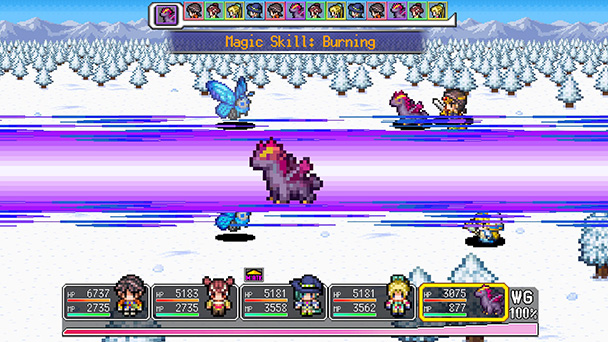
One of the game’s more welcome novelties is your Spirit Beast, which helps to keep combat from feeling too repetitive. Named Ouve, the companion grows alongside your party, unlocking new abilities and shaping battle strategies as the game progresses. Here, you’ll raise your Beast with elemental fruits acquired across the game’s maps, evolving and potentially changing form based on its diet.
Best of all, your animalistic ally acquires Wonder Skills, powerful abilities that can dramatically shift the flow of battle. In concept, it’s not all different from a traditional party member, but raising your Beast delivers a feeling of cultivation and offers the possibility of tweaking your strategic approach. And if you like micro-managing your entire party, Spira supports an amble amount tweaking, with classes and equipment to try and elemental synergies to strive for.
Growth Becomes a Literal Gamble
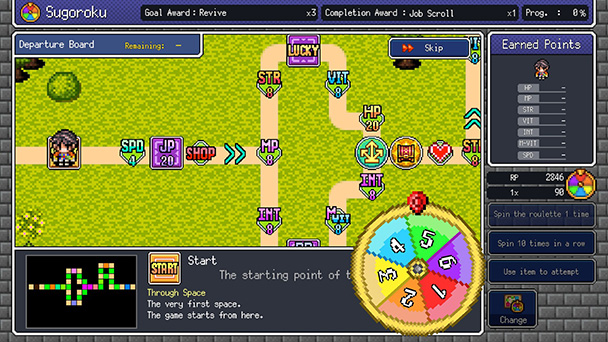
But Dragon Spira biggest deviation from role-playing custom is found in its Sugoroku-style game, which provides some novelty to character growth. Instead of distributing stat points through menus, progression is handled on literal boards, where each character spins a roulette wheel to move across branching paths filled with stat boosts, passive skills, and occasional penalties.
Some routes prioritize raw attributes like HP or attack power, while others unlock abilities or bonuses tied to elemental affinities. Best of all, the game within a game (monsters are also on the board) injects a bit of unpredictability, making growth feel like more of a reward and less of an accounting exercise. Exploration and progress provide access to additional boards, providing Spira with a welcome grind-stimulus.
EXE-Create’s Storytelling Levels Up
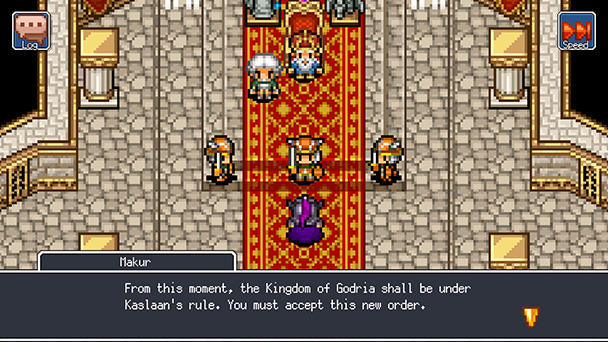
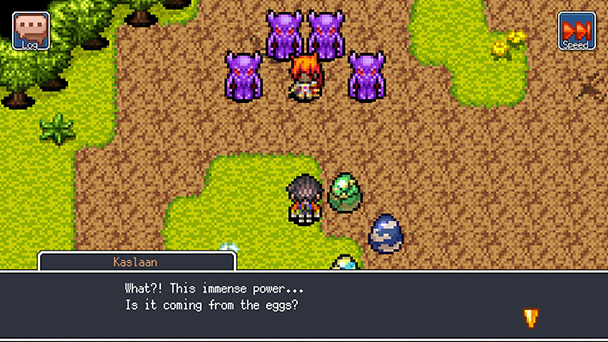
Dragon Spira takes places in a world shaped by ancient Spirit Beasts whose power once threatened the balance of civilization. The storyline follows a group of adventurers pulled into a conflict involving sealed beasts, disregarded history, and the consequences of humanity’s own creations. While this premise revisits some common JRPG themes, the game takes more time than most KEMCO titles to flesh out its mythology. As such, motivations are gradually revealed rather than conveyed through short exposition dumps.
This approach allows the dialogue to have a slightly more playful and sophisticated tone than many of KEMCO’s early releases. Characters banter, question their assumptions, and occasionally poke fun at the tropes they personify. Yes, it’s still a modestly written game, but there’s a clear effort here to make conversations feel less mechanical and more character-driven, which is a welcome improvement.
Disheartening DLC Practices
One misstep that’s hard to overlook is the presence of four paid DLC items designed to smooth over the game’s inherent grindiness. Rather than addressing pacing concerns through balance tweaks or optional in-game systems, Dragon Spira opts to monetize relief from problems it largely creates itself, undercutting the satisfaction of steady progression.
For a game that embraces its old-school RPG charms, these DLCs feel less like optional conveniences and more like an admission that the grind may wear thin, which is disappointing for a title that already asks players to embrace patience as part of its appeal.
Overall, Dragon Spira feels like a small but appreciated step forward for Kemco’s catalog. The Sugoroku system adds variety to character progression, the Spirit Beast mechanics encourage experimentation, and the story demonstrates a bit more ambition and charm than the publisher’s usual output. It may not convert RPG fans who crave bold reinvention, but for fans of classic JRPGs, Dragon Spira offers a handful of welcome innovations on top of a well-worn formula.
Dragon Spira was played on PC with review code provided by the publisher
Overview
GAMEPLAY - 75%
CONTROLS - 70%
CONTENT - 70%
AESTHETICS - 65%
PERFORMANCE - 70%
VALUE - 65%
69%
OK
Dragon Spira largely stays within KEMCO’s familiar comfort zone, but the Sugoroku-style progression board and Spirit Beast system add just enough unpredictability to make the grind feel more engaging than usual. It’s still a modest, old-school JRPG at heart. Yet a slightly more charming story and game-within-a-game progression make it one of the publisher’s more engaging recent efforts, even if DLC choices dampen some of those advancements.