Bean Beasts review

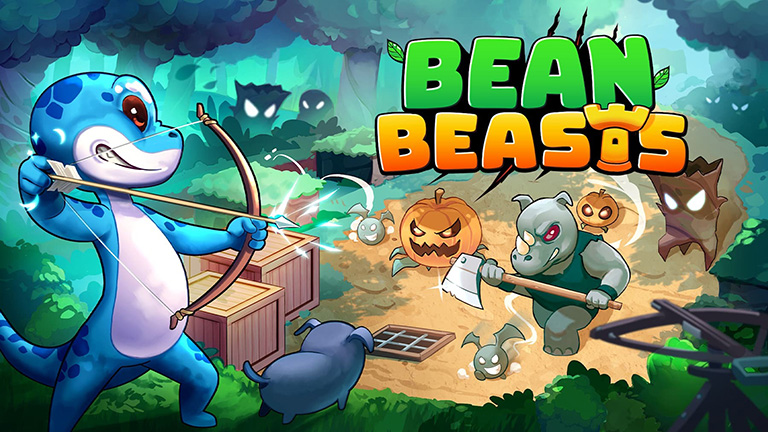
The tower defense genre has long held two distinct philosophies. The first treats each stage as a puzzle, presenting a tightly designed problem with a narrow band of acceptable solutions. You either figure out the trick or fail repeatedly. The second philosophy opens things up considerably, giving players a broad toolkit with enough flexibility to tackle the invading hordes in a multitude of ways. Here, creativity, experimentation, and OP turrets reign over rote memorization. Bean Beasts largely falls into that second camp, and for the most part, it blossoms there.
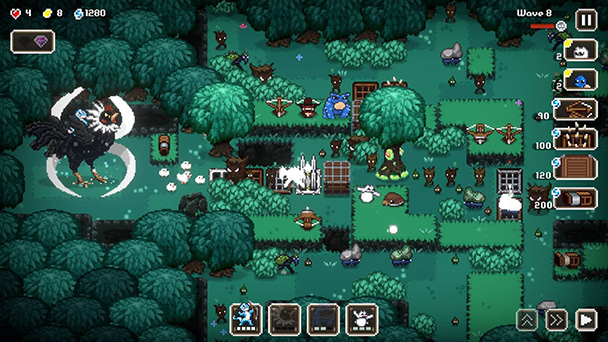
At the heart of the game’s 40 stage campaign is a gem-based economy that’s linked to completing different level goals. Meeting primary and secondary goals (than range from speed, efficiency, and difficulty) rewards you with gems that are used to unlock perks and that make later stages more manageable.
Retried Beans
Effectively, this creates a compelling gameplay loop, but it does come with a caveat: if you skip the optional goals or push ahead too quickly you find subsequent stages punitively difficult, especially on some of Bean Beasts’ higher difficulty settings. While I would have liked to have seen gem farming offer a more granular level of challenge, it’s clear the developers intend for you to leap over a few hurdles.
Unsurprisingly, the eponymous Bean Beasts turn out to be one of the game’s best inclusions. These charismatic little creatures are stationed alongside your defenses and serve as the primary vehicle for special abilities. Rather than restricting powerful outbursts for emergency situations, the game encourages frequent use of them. Mercifully, cooldowns are quick allowing you to supplement the output of your traditional turrets. You juggle several of them at once, making each enemy procession a bit engaging. Even deploying these capabilities uses a golf swing-like meter, increasing the level of interactivity.
Spilling the Beans on Strategies
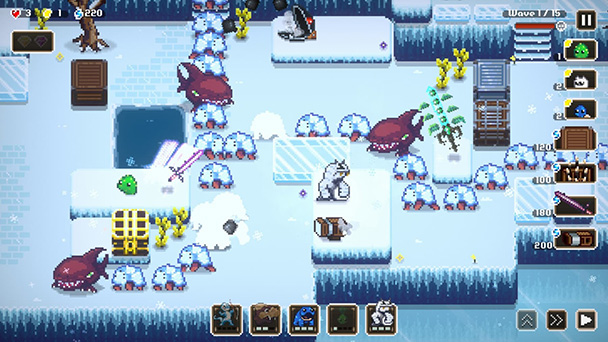
Pleasingly, the Beasts aren’t just another form of passive towers. Across each round, you’ll earn points to invest in each one and they’ll regularly level up, harnessing new abilities. And whether you’re pelting them with projectiles or freezing a crowd for extra damage, the Bean Beast’s aptitudes are essential without becoming a crutch that you’re constantly leaning on. There are methods to proper tower placement and growth, but there’s also just enough autonomy to keep the game from feeling more like a puzzler.
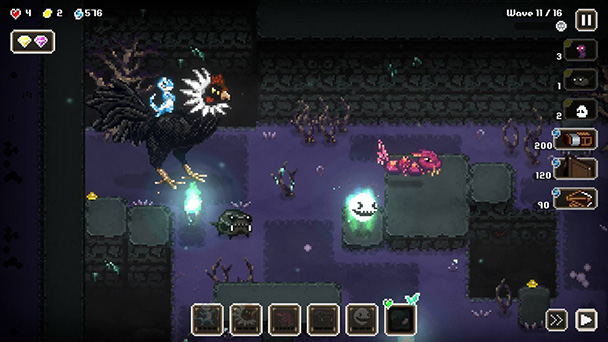
Console-based tower defense games have a long and fateful history of cluttered menus, stubborn cursor navigation, and ability triggers that feel designed for a mouse. Deftly, Bean Beasts sidesteps nearly all of these issues. The UI is clean, well-organized, and responsive, allowing for the combination of tower management and Bean abilities to feel intuitive. It ranks among the better console interfaces implementations the genre has seen and that polish really helps to maintain long-term interest. Yes, even when one stage seems impossible.
Serving Up a Yummy Plate of TD Challenges
Although Bean Beasts doesn’t dethrone DG2: Defense Grid 2 (which is still my gold standard for the genre), it’s definitely a solid content. Boasting everything from engaging level design to razor-sharp stage balancing, it’s evident that developer Anxious Noob has studied tower defense games and sought to reign above most of its peers. For fans of protecting an asset from processions of persistent pests, Bean Beasts earns a clear recommendation.
Bean Beasts was played on Switch with review code provided by the publisher.
Overview
GAMEPLAY - 80%
CONTROLS - 85%
CONTENT - 80%
AESTHETICS - 80%
ACCESSIBILITY - 70%
VALUE - 85%
80%
COOL BEANS!
Bean Beasts dishes up a flexible tower defense experience where prudent turret placement and frequent use of your Bean companions keep battles energetic. It can get punishing if you rush past the optional objectives, but it’s a satisfying strategy loop and a surprisingly effective UI meaning the TD should scout out these Beasts.